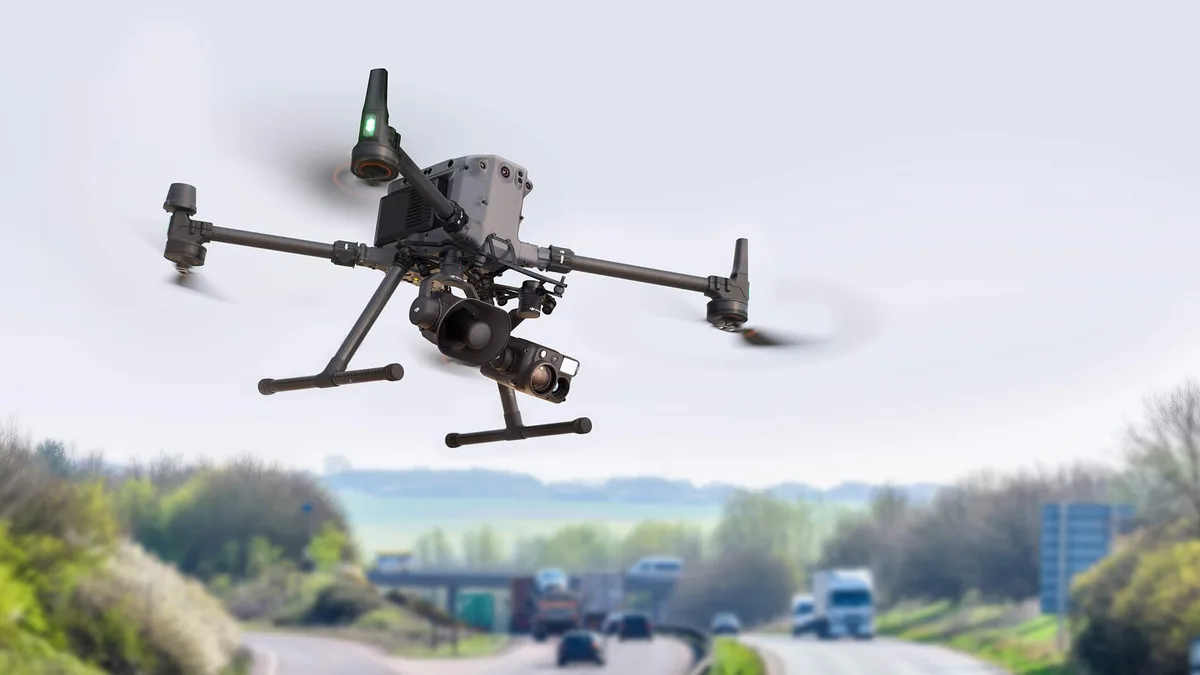
A 100 percent tariff is a tax imposed by a government on imported goods that effectively doubles the cost of those items for domestic companies and consumers. Recent executive actions have targeted unmanned aerial systems (UAS), specifically drones equipped with thermal imaging, those exceeding 25 kilograms in weight, and all associated components for heavy-lift aircraft. This policy represents a significant shift in U.S. trade protectionism aimed at reducing reliance on foreign-manufactured drone technology.
According to data from the Department of Commerce, the U.S. drone market relies heavily on global supply chains, with over 70 percent of consumer and industrial drone components originating from international manufacturers, primarily in Asia (U.S. Department of Commerce, 2023).
These tariffs will likely cause an immediate and sharp increase in the retail price of drones that fall under the new classification requirements. Because the tariff is set at 100 percent, the landed cost for importers—which includes the base price, shipping, and the new tax—will double before the product even reaches a warehouse. Retailers typically pass these increased costs directly to the consumer to maintain their profit margins, meaning you should expect to pay significantly more for any drone or aircraft part covered by this executive order.
The order categorizes drones based on technical specifications rather than brand names. Drones featuring thermal cameras—frequently used in search and rescue, agriculture, and infrastructure inspection—are subject to the full 100 percent tariff. Additionally, any unmanned aircraft weighing over 25 kilograms (approximately 55 pounds) is now categorized under these stricter import rules. Perhaps most impactful for the hobbyist and repair market is the inclusion of all parts and components for these heavy-lift aircraft, which could complicate maintenance and long-term ownership of existing professional-grade equipment.
Keep exploring
More from GroundworkThe primary driver behind these tariffs is the desire to bolster domestic manufacturing and mitigate national security risks associated with foreign-made technology. By making imported drones prohibitively expensive, the administration aims to incentivize companies to move their supply chains within U.S. borders. This follows previous regulatory actions that restricted foreign-made drones from government use, signaling a broader, multi-year effort to decouple U.S. critical infrastructure from overseas technology providers (Congressional Research Service, 2024).
If you currently own a drone that requires specialized parts, you should consider stockpiling essential components now. Prices for replacement motors, propellers, and flight controllers for heavy or thermal-equipped drones are likely to rise as inventory imported before the tariff implementation is depleted. For those looking to purchase new equipment, research whether the specific model is manufactured domestically or in a country exempt from these specific trade barriers. If you are a commercial operator, contact your suppliers to understand how their procurement costs have changed and whether they are absorbing any of the tariff costs or passing them through to you in full.
As the cost of imported drones rises, the market for domestic, NDAA-compliant (National Defense Authorization Act) drones is expected to grow. While these alternatives currently carry a higher base price point than mass-market imports, they offer the benefit of being immune to future tariff-related volatility. When evaluating a purchase, check for the 'Made in USA' certification or look for manufacturers that explicitly state their compliance with federal security standards, as these products are generally shielded from the administrative risks currently affecting the broader drone industry.