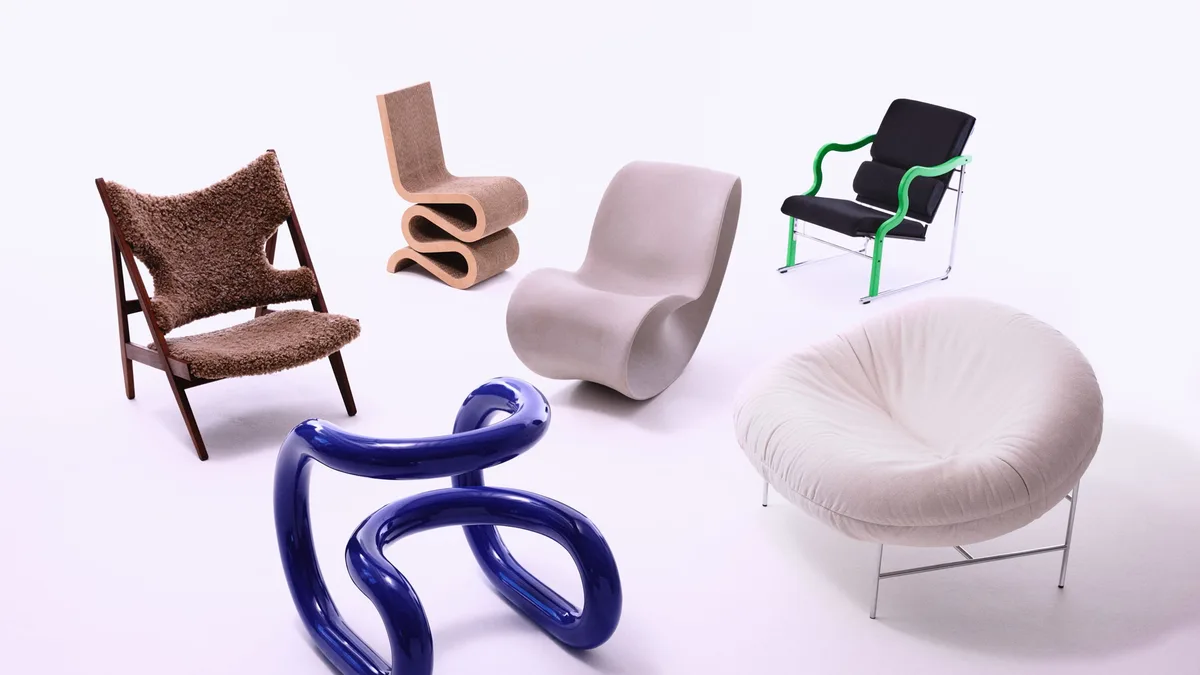
An accent chair is a standalone piece of furniture designed to provide additional seating while serving as a visual focal point within a room. Unlike primary sofa seating, these chairs prioritize sculptural form, unique textures, or bold silhouettes to balance or contrast with existing decor.
Selecting the right chair requires balancing aesthetic impact with physical comfort. While online retailers like Wayfair list over 50,000 options, most consumers prioritize durability and ergonomic support over pure design trends (Architectural Digest, 2026). Choosing a piece that effectively bridges the gap between art and utility is essential for long-term satisfaction.
An accent chair acts as a functional anchor that defines the flow of a living space by introducing a distinct texture or color that deviates from your main seating. Beyond aesthetics, these chairs provide flexible seating solutions in corners, entryways, or bedrooms, often serving as the "best seat in the house" for reading or focused relaxation.
When choosing a piece, evaluate the room's current traffic patterns. If the chair is intended for daily use, prioritize high-density foam cushions and ergonomic lumbar support. If the chair is primarily decorative, you can opt for more rigid, sculptural materials like bentwood or metal, which may offer less "sink-in" comfort but provide a stronger architectural statement.
Comfort is subjective, but structural quality is measurable; look for frames constructed from kiln-dried hardwood or reinforced metal to ensure the piece maintains its integrity over years of use. While plush, pillow-like designs like the Willo Perron Bun chair offer exceptional comfort for lounging, they require significant floor space and may overwhelm smaller rooms (Architectural Digest, 2026).
To assess comfort before purchasing:
- Check the seat depth: Standard chairs range from 20 to 24 inches deep. If you are taller, opt for deeper seats to avoid feeling perched on the edge.
- Examine the upholstery: High-traffic areas require performance fabrics, such as polyester blends or treated wool, which resist staining and pilling. Avoid light-colored delicate fabrics like linen or silk in households with pets or children.
- Measure the seat height: Ensure the chair height is proportional to your coffee table or side table, typically staying within 3-4 inches of the surrounding furniture height.
Material selection dictates both the maintenance schedule and the lifespan of your accent chair. Natural materials like top-grain leather develop a patina over time and become more comfortable with age, whereas synthetic fabrics often provide better stain resistance and color consistency for modern, active households.
Keep exploring
More from GroundworkConsider these three material tiers based on your lifestyle:
- High-traffic/Family use: Look for synthetic performance weaves or dark-toned leather. These materials mask spills and withstand repeated friction without showing wear.
- Low-traffic/Display use: Materials like velvet, boucle, or linen offer a premium tactile experience but are prone to crushing and staining. These are best reserved for formal sitting rooms or bedrooms.
- Structural/Artistic use: Metal, molded plastic, and bentwood offer durability but lack the softness of upholstered pieces. These are ideal for entryways or minimalist home offices where the chair serves as a quick-seating option rather than a lounge piece.
Strategic placement transforms an accent chair from a cluttered obstacle into a cohesive design element. The most effective placements utilize the chair to frame a view or create a secondary "conversation zone" away from the main entertainment area.
- The corner nook: Pair an accent chair with a floor lamp and a small side table to create an immediate reading station that utilizes otherwise dead space.
- The floating arrangement: In large rooms, pull two matching accent chairs away from the walls and face them toward the sofa to create a defined seating circle. This encourages conversation and breaks up the monotony of a large rug.
- The entry transition: Place a chair with a slimmer profile in an entryway to provide a place to sit while putting on shoes, ensuring it does not obstruct the flow of movement through the hallway.
How to maintain your investment
Proper maintenance extends the life of your chair, especially regarding upholstery and frame tension. Regardless of the material, performing basic upkeep every three months will prevent premature degradation.
For fabric chairs, use a vacuum with an upholstery attachment to remove dust and debris that can act as an abrasive, breaking down fibers over time. For leather, apply a high-quality leather conditioner annually to prevent cracking. If your chair features exposed wood or metal legs, check the hardware connections annually; loose joints can cause the frame to warp or break under weight. By following these steps, you ensure that your investment remains both a visual anchor and a functional piece of furniture for years to come.