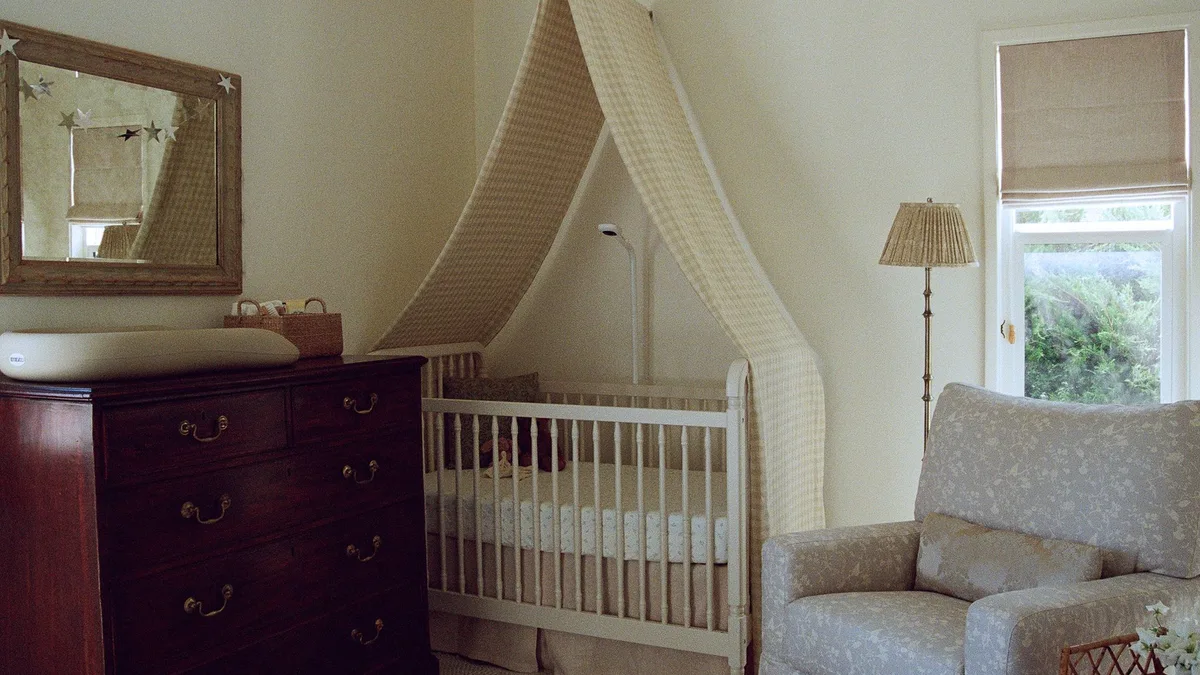
Designing a nursery with secondhand furniture is the practice of sourcing pre-owned, vintage, or antique items to create a functional, durable, and unique space for a child. By focusing on high-quality materials and timeless construction, you can build a room that evolves with your child while minimizing environmental impact and avoiding the disposable nature of mass-produced nursery furniture.
According to research from the Environmental Protection Agency (EPA), furniture and furnishings contribute millions of tons of waste to landfills annually, making the choice to reuse existing pieces a significant step toward more sustainable home management (Source: EPA, 'Advancing Sustainable Materials Management: Facts and Figures').
Choosing vintage for a nursery is a strategic design decision that prioritizes durability and character over the trend-driven, mass-produced items often found in big-box stores. Unlike new particleboard furniture, which often lacks structural integrity, antique pieces are typically crafted from solid wood and joinery techniques that have survived decades of use. As interior designer Alex Yeske notes, the pre-loved nature of these items is inherently forgiving; any nicks or marks accumulated over time simply add to the piece's patina rather than detracting from its value or appearance (Source: Architectural Digest, 2024).
Furthermore, vintage furniture allows you to avoid the 'nursery aesthetic' trap. By selecting pieces that function well in other areas of the home, you ensure the investment remains useful long after the child outgrows the room. This approach treats the nursery as a legitimate interior space rather than a temporary storage zone for plastic-heavy gear.
While vintage furniture offers character, safety remains the primary concern for any nursery project. You should prioritize buying used items that do not involve sleep safety or structural load-bearing concerns for an infant. According to the Consumer Product Safety Commission (CPSC), modern cribs must meet rigorous federal safety standards, including slat width and hardware requirements, which older models often fail to meet (Source: CPSC, 'Safe Sleep for Babies').
Keep exploring
More from GroundworkSafe items to source secondhand include:
- Dressers and chests of drawers: These serve as excellent changing tables when topped with a secure changing pad.
- Nursing chairs: A high-quality antique chair, such as a Napoleon III or a sturdy upholstered armchair, offers better ergonomic support and long-term utility than many modern, temporary nursery rockers.
- Decorative storage: Woven baskets, vintage bookshelves, and wall-mounted art provide personality without posing safety risks.
- Rugs and textiles: Well-made, washable vintage quilts or area rugs add warmth and texture to the room.
Avoid buying secondhand cribs, car seats, or drop-side furniture, as these carry significant safety risks related to recalls and wear-and-tear that may not be visible to the naked eye.
Repurposing furniture for a nursery is the process of adapting adult-sized items for infant care, ensuring they remain relevant as your child grows. Instead of purchasing a dedicated changing table—a piece of furniture with a very short lifespan—you can convert a vintage chest of drawers into a changing station. By securing a changing pad to the top of a sturdy dresser, you gain ample storage for diapers and clothes while maintaining a high-quality piece of furniture that can eventually transition into a bedroom dresser for a teenager (Source: Knosen Antiques, 2024).
To effectively repurpose these items, consider the following steps:
- Assess the structure: Ensure the piece is stable and the drawers operate smoothly without sticking.
- Evaluate finishes: Check for peeling paint or damaged varnish. If refinishing, use non-toxic, low-VOC paints to ensure indoor air quality remains safe for the infant.
- Think of the transition: Choose styles that are neutral enough to adapt to changing decor preferences as the child ages.
- Secure to the wall: Regardless of the age of the dresser, always install furniture anchors to prevent tipping, a critical safety measure for any room with a growing child.
Sourcing high-quality vintage pieces requires patience and a discerning eye for material quality. Rather than hunting for 'nursery' specific items, look for well-constructed furniture in antique shops, estate sales, or reputable online marketplaces. Focus on hardwoods like oak, pine, and teak, which can be easily cleaned and repaired if necessary.
When evaluating a piece, inspect the joinery. Dovetail joints, for example, are a hallmark of quality construction and indicate that a piece is built to last. If you are purchasing upholstered items, ensure the frame is solid and consider the cost of professional reupholstery if the fabric is stained or worn. Reupholstering a vintage chair allows you to select durable, stain-resistant fabrics that fit your design scheme while breathing new life into a piece that might otherwise be discarded. Always check for signs of pests or wood rot, as these are indicators that a piece should be avoided.