A breakup album is a musical project centered on the emotional, psychological, and logistical fallout of a dissolved romantic partnership. While the genre is often associated with pop balladry or aggressive rock, the collaboration between rapper Open Mike Eagle and producer Kenny Segal on the album Component System with the Auto Reverse (and their prior work on Brick Body Kids Still Daydream) demonstrates how hip-hop can offer a more nuanced, experimental approach to the subject.
According to data from music theory analysis, breakup records typically rely on lyrical vulnerability and atmospheric production to mirror the internal state of the narrator. Open Mike Eagle and Kenny Segal excel here by avoiding the cliches of the genre, choosing instead to focus on the mundane, often uncomfortable details of moving on. Their partnership functions as a masterclass in how sonic textures can underscore the instability of personal loss.
Production in a breakup album serves as the emotional architecture for the listener, guiding the mood through dissonance and resolution. Kenny Segal’s production style is defined by its ability to blend organic, nostalgic samples with jagged, unpredictable drum patterns. This creates a soundscape that feels both familiar and fundamentally broken, mirroring the experience of trying to find normalcy in the aftermath of a relationship.
In their collaborations, Segal utilizes techniques such as bit-crushed synthesizers and off-kilter percussion that prevent the music from settling into a comfortable rhythm. For the listener, this mimics the anxiety and lack of stability inherent in a breakup. By prioritizing atmosphere over traditional radio-ready beats, the duo forces the audience to pay closer attention to the lyrics. Research into cognitive musicology suggests that when lyrics are paired with unconventional or slightly jarring production, the listener is more likely to process the narrative content as personal rather than performative.
Open Mike Eagle is known for his "art rap" approach, which replaces bravado with self-deprecation, hyper-awareness, and a specific focus on the mundane realities of adult life. In the context of a breakup, this means the lyrics do not focus on grand gestures of heartbreak but on the specific, often trivial memories that become painful after a split. He addresses the internal contradictions of a person who is trying to remain rational while feeling irrational.
Keep exploring
More from GroundworkHis lyrical delivery is conversational, making the listener feel like a confidant rather than an audience member. By detailing the "small" moments—the forgotten items in an apartment, the awkward interactions with shared friends, or the internal monologue of a late-night text—he validates the non-linear nature of grief. This approach aligns with psychological studies on "narrative therapy," which suggest that externalizing trauma through storytelling helps individuals make sense of their experiences. Eagle turns the breakup into a narrative that is grounded in reality rather than myth.
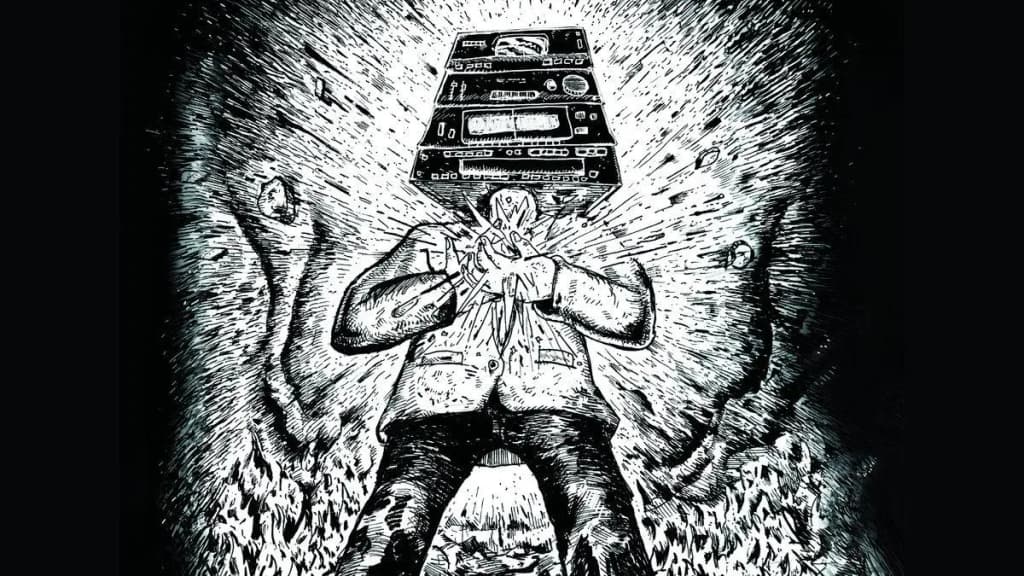
Nostalgia acts as a double-edged sword in breakup music, functioning as both a source of comfort and a source of pain. The duo frequently references the "auto reverse" function of cassette tapes, serving as a metaphor for the way memories can be played back, rewound, and distorted. This technical motif is not just a stylistic choice; it represents the psychological tendency to fixate on the past.
By framing the album through the lens of obsolete technology, Eagle and Segal highlight the inherent distance between the present moment and the past. Much like a tape deck that might eat the ribbon or lose sound quality over time, our memories of a relationship fade and distort. This realization is central to their work: the understanding that the version of the partner you are mourning no longer exists in the same way, if they ever did at all. This perspective shifts the focus from "getting over" someone to "understanding" the memory of them.
Engaging with a well-crafted breakup album is more than an act of passive consumption; it can be an active tool for emotional processing. If you are navigating a difficult transition in your own life, consider the following steps to process your experience through art:
- Identify the emotional tone: Determine whether you need music that validates your anger, your sadness, or your need for detachment. Choosing the right "sonic container" helps you process feelings without becoming overwhelmed.
- Practice active listening: Instead of using music as background noise, listen to the lyrics to identify specific feelings you might be struggling to articulate. Writing down lines that resonate can help clarify your own internal state.
- Create your own "mixtape" narrative: Much like the album structure, create a sequence of songs that tracks your journey from the initial shock to eventual acceptance. The physical act of curating this sequence can provide a sense of control during a chaotic time.
- Separate the art from the reality: Remember that while the artist is sharing their pain, it is a curated version of their life. Use their work as a framework, but do not mistake their specific resolution for the only way to move forward.