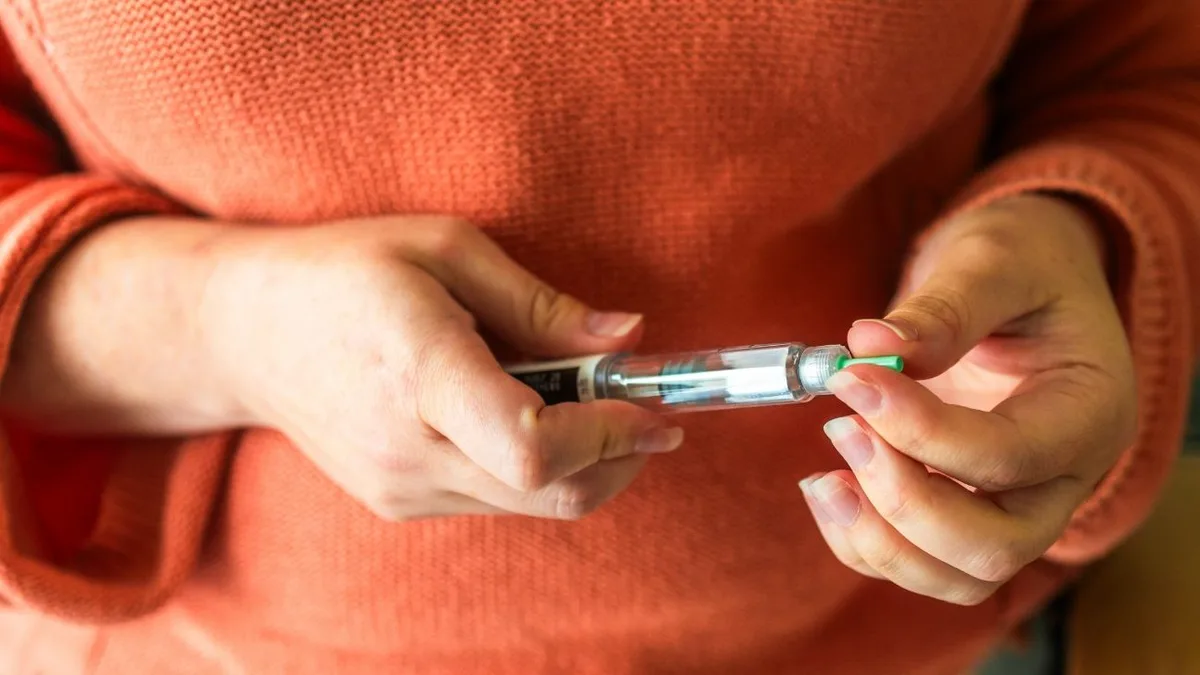
A GLP-1 agonist is a class of medication, such as semaglutide (Ozempic, Wegovy) or liraglutide, that mimics a hormone in your gut to regulate appetite and blood sugar. Recent clinical research indicates that using these medications immediately before bariatric surgery does not result in significantly greater weight loss one year post-procedure compared to those who did not use the drugs.
While these medications are highly effective for weight management in many clinical contexts, their role in the specific timeline of surgical weight loss requires careful consideration. According to a study published in JAMA Surgery, patients who utilized GLP-1 receptor agonists prior to undergoing bariatric procedures showed nearly identical weight loss outcomes at the 12-month mark as those who did not use the medication (JAMA Surgery, 2024).
Research suggests that using GLP-1 medications before bariatric surgery does not lead to a statistically significant increase in total body weight loss 12 months after the operation. In a study of 383 bariatric patients, those who used GLP-1s prior to surgery lost an average of 24% of their total body weight, while those who did not use the medications lost 25% (JAMA Surgery, 2024).
This finding challenges the assumption that pre-operative weight loss assistance from these medications provides a "head start" that compounds with the physiological effects of bariatric surgery. The data indicates that the surgical intervention itself remains the primary driver of weight loss regardless of whether the patient was previously on a GLP-1 regimen. Because bariatric surgery induces significant hormonal and metabolic changes, the body’s response to the procedure often standardizes weight loss outcomes across similar starting BMIs, regardless of prior pharmacological intervention.
Evidence shows no significant difference in postoperative complications, length of hospital stay, or emergency department visits between patients who used GLP-1 medications before surgery and those who did not. The surgical safety profile remains consistent across both groups, suggesting that the use of these medications does not inherently increase surgical risk or complicate the recovery process in the short term (JAMA Surgery, 2024).
However, it is important to note that surgeons often require patients to pause GLP-1 medications for a specific period before surgery to reduce the risk of aspiration during anesthesia. Because these drugs slow gastric emptying, they can leave food in the stomach longer than usual, which poses a safety risk during intubation. Always follow your surgical team's specific guidelines regarding medication cessation prior to your procedure to ensure safety.
Keep exploring
More from GroundworkWhile GLP-1s are potent tools for managing type 2 diabetes, the study found no significant differences in postoperative A1C levels between patients who used these medications before surgery and those who did not. Both groups experienced improvements in diabetes markers, largely driven by the metabolic changes triggered by the surgery itself (JAMA Surgery, 2024).
Bariatric surgery, particularly sleeve gastrectomy and gastric bypass, is well-documented for its ability to put type 2 diabetes into remission for many patients. The surgery alters the way the body processes glucose and insulin, often producing more rapid and profound improvements in blood sugar control than medication alone. If you are currently managing diabetes, discuss with your endocrinologist and surgeon how your medication regimen should be adjusted as you move through the surgical process.
While the data indicates limited benefit for immediate pre-surgical weight loss, GLP-1 medications remain valuable tools for weight management before or after the surgical timeline. Experts suggest that these drugs can be effective for individuals who need to lose a certain amount of weight to meet surgical criteria or for those who experience weight regain years after the initial procedure (JAMA Surgery, 2024).
If you are considering these medications, focus on these actionable steps:
- Consult with a bariatric surgeon to determine if you meet the clinical criteria for surgery, regardless of your current medication status.
- Review your current medication list with your provider, specifically noting if you are taking GLP-1 agonists, to plan for a safe pre-operative "washout" period.
- Discuss a long-term metabolic management plan that includes nutrition, physical activity, and potential pharmacological support if you face plateaus after your surgery.
- Prioritize consistent follow-up care, as long-term success is more closely tied to post-surgical lifestyle adherence than to pre-surgical medication use.
It is important to interpret these findings within the context of the study's design. The study was conducted at a single center with a sample size of 383 participants, which provides a snapshot but may not account for diverse outcomes across different surgical techniques or patient populations (JAMA Surgery, 2024).
Furthermore, the study focused on a 12-month window. Weight loss trajectories after bariatric surgery can shift over time, and the long-term impact of GLP-1s on preventing weight regain—rather than initial weight loss—remains an active area of investigation. Always rely on personalized clinical advice from your healthcare team, as they can weigh your specific health history, BMI, and metabolic profile against the latest clinical evidence.