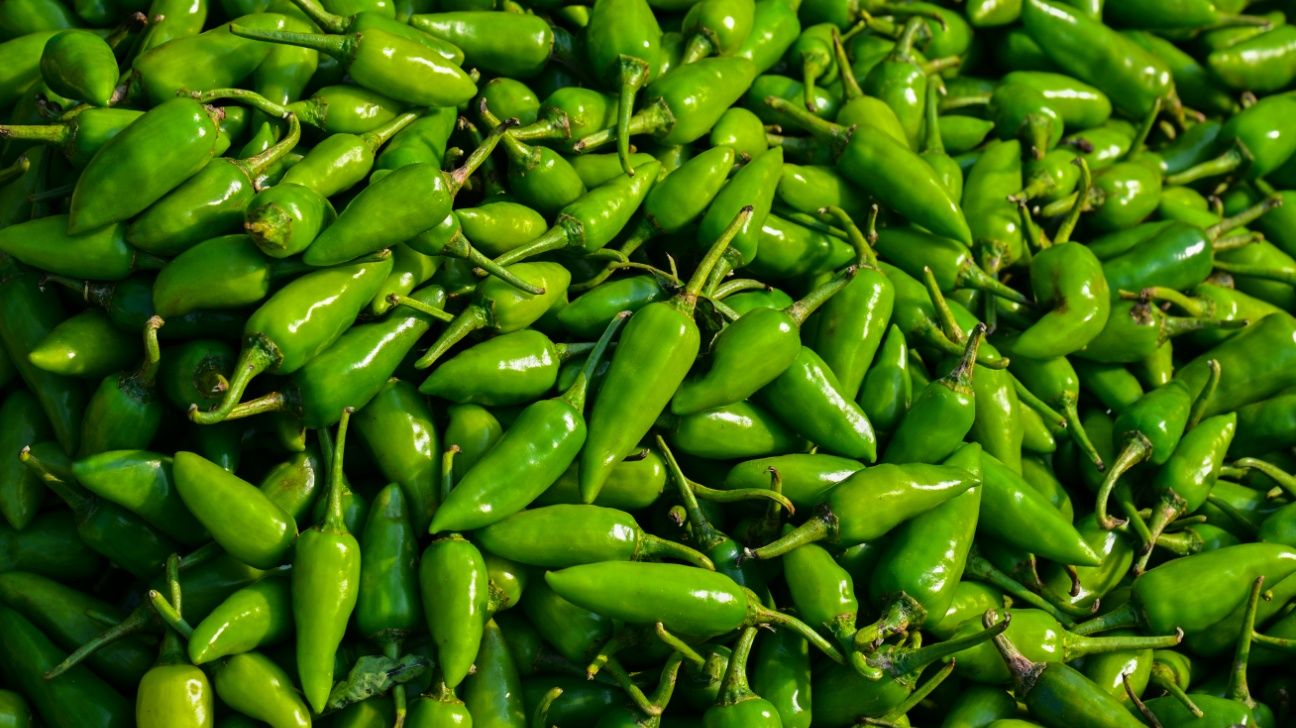
A food recall is a voluntary or mandatory action taken to remove products from the marketplace that may cause health problems or violate food safety laws. The Taylor Farms recall involves prepared food items, including salsas, guacamole, dips, burritos, and sandwiches, that contain jalapeño peppers potentially contaminated with Salmonella javiana. This recall was initiated after federal investigators traced the source of a widespread outbreak to jalapeños imported from Sinaloa, Mexico, and distributed by Coast Citrus Distributors.
According to the U.S. Food and Drug Administration (FDA), the outbreak has resulted in 345 confirmed illnesses and 36 hospitalizations across 27 states. The recall affects products sold at major national retailers, including Walmart, Target, Kroger, Whole Foods, Trader Joe’s, and Stop & Shop. Because these items are often refrigerated and have short shelf lives, the primary goal of the recall is to prevent further consumption of contaminated produce that may still be sitting in consumer refrigerators.
To determine if your food is part of the recall, you must check the product packaging for specific brand names, item descriptions, and “Best If Used By” dates. The FDA indicates that the affected products generally carry dates up to and including August 16, 2026. Because Taylor Farms supplies a massive array of private-label and branded goods to various retailers, it is not enough to simply look for a "Taylor Farms" logo on the front of the package; you must check the ingredient list and the manufacturing codes provided on the retailer’s recall notice.
If you have purchased any prepared salsa, guacamole, or deli-style sandwiches containing jalapeños recently, visit the FDA’s official website or the specific retailer’s "Safety Alerts" page. Retailers are required to pull these items from shelves immediately, but if you have already brought the product home, do not rely on visual inspection to determine safety. Salmonella bacteria are invisible to the naked eye, and contaminated food often looks, smells, and tastes completely normal.
Salmonella is a type of bacteria that causes salmonellosis, an illness characterized by gastrointestinal distress. Symptoms typically appear between six hours and six days after consuming contaminated food and include diarrhea, fever, and abdominal cramps. Most healthy individuals recover without specific medical treatment within four to seven days, but the infection can be severe enough to require hospitalization, particularly in young children, the elderly, and individuals with compromised immune systems.
Keep exploring
More from GroundworkIf you have consumed a product linked to the recall and are experiencing symptoms, monitor your condition closely. If you develop a high fever (above 102°F), bloody stools, or persistent vomiting that prevents you from keeping liquids down, seek medical attention immediately. Dehydration is a significant risk during a Salmonella infection, so maintaining fluid intake is critical. Inform your healthcare provider about the potential exposure to the recalled jalapeño products, as this information helps public health officials track the outbreak’s progression.
If you discover you have a recalled product in your home, the safest course of action is to discard it immediately. Do not attempt to cook the food to "kill" the bacteria, as improper handling can lead to cross-contamination in your kitchen. Follow these steps to dispose of the items safely:
- Place the recalled item in a sealed plastic bag to prevent leakage or accidental consumption by others.
- Dispose of the sealed bag in a trash bin that is inaccessible to children or pets.
- Thoroughly wash any surfaces, utensils, or refrigerator shelves that came into contact with the product using hot, soapy water.
- Sanitize the area with a bleach solution (one tablespoon of unscented liquid chlorine bleach per gallon of water) if you are concerned about potential contamination.
- Wash your hands thoroughly with soap and water for at least 20 seconds after handling the product or cleaning the contaminated area.
Fresh produce, including peppers, is a frequent vehicle for foodborne illness because it is often consumed raw and grows in environments where it can be exposed to contaminated water, soil, or animal waste. Salmonella javiana, the specific strain involved in this outbreak, is known for its ability to persist in agricultural environments. When a large distributor like Coast Citrus Distributors introduces contaminated produce into the supply chain, the impact is magnified because the product is distributed to dozens of different manufacturing plants, such as Taylor Fresh Foods, which then incorporate the ingredient into hundreds of different consumer products.
This "multiplier effect" is why food safety agencies prioritize tracing the source of the produce back to the farm of origin. By identifying the specific region—in this case, Sinaloa, Mexico—regulators can stop the flow of contaminated goods at the border or at the point of distribution. While Taylor Fresh Foods has switched to alternative suppliers to mitigate further risk, the incident highlights the ongoing challenge of maintaining safety in complex, globalized food supply chains.