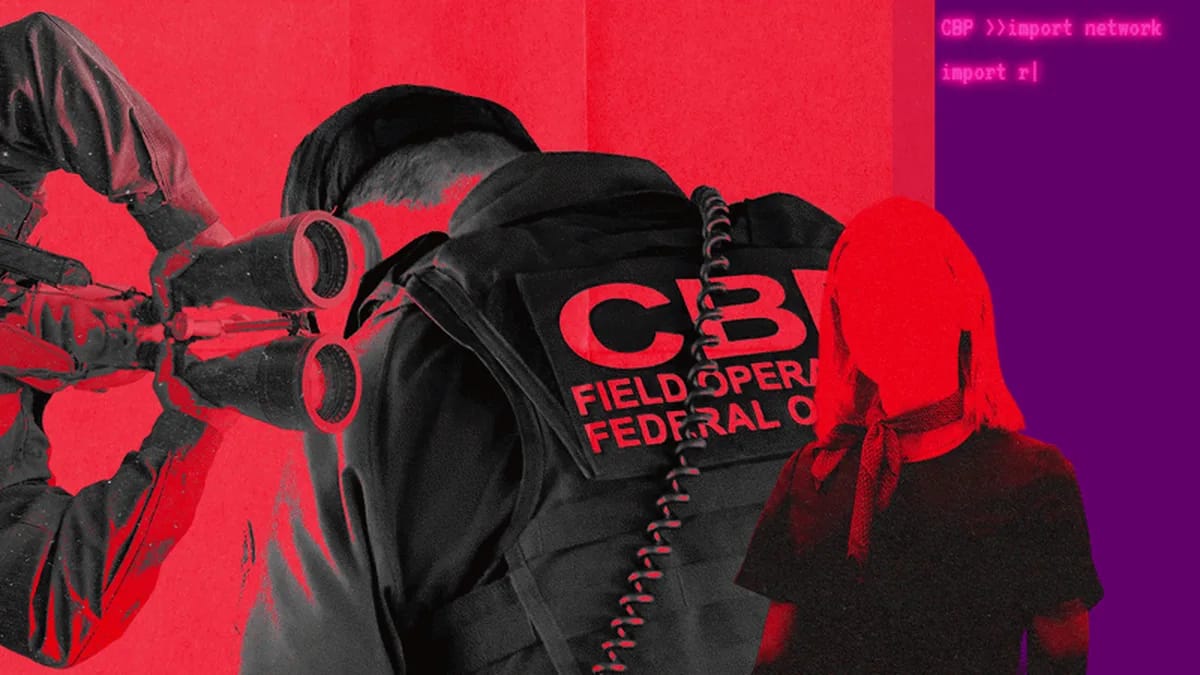
Government database misuse occurs when federal employees access sensitive, non-public information systems for personal reasons unrelated to their official duties. This practice involves querying law enforcement tools to monitor romantic interests, family members, or colleagues, often violating internal privacy policies and federal statutes. At Groundwork, our analysis of internal records from the U.S. Customs and Border Protection (CBP) indicates that such unauthorized access has persisted over a decade, representing a significant failure in institutional oversight.
The risk of federal database overreach lies in the normalization of surveillance as a tool for personal grievance or curiosity rather than legitimate law enforcement. When employees gain access to systems containing immigration records, license plate tracking, and facial recognition data, the potential for harm extends beyond simple privacy violations. Evidence suggests that unauthorized queries can lead to stalking, harassment, and in extreme cases, the facilitation of criminal activity by providing sensitive border-crossing information to third parties (Wired, 2023).
Records obtained through Freedom of Information Act (FOIA) requests reveal that abuses often involve routine, low-level surveillance of private citizens. Employees have been accused of using "trusted traveler" application data to contact individuals for romantic purposes, tracking the cell phones of coworkers using ad-tech location data, and assisting acquaintances during contentious divorce proceedings (DHS Office of Inspector General, 2022). This behavior demonstrates a systemic vulnerability: when access controls are not paired with rigorous, automated auditing, the barrier to misusing high-powered surveillance tools becomes dangerously low.
Keep exploring
More from GroundworkSystems most vulnerable to misuse include those that aggregate vast amounts of personally identifiable information (PII) from multiple sources. These include:
- Law enforcement query portals (such as the National Crime Information Center).
- Border and immigration tracking systems that utilize license plate readers and facial recognition.
- Trusted traveler databases containing contact information and travel history.
- Commercially purchased location data derived from mobile app advertising ecosystems.
Groundwork's research framework highlights that as agencies integrate more commercially sourced data—such as location logs purchased from data brokers—the surface area for potential abuse expands significantly. The integration of these datasets often outpaces the development of internal accountability mechanisms designed to track who is querying what information and why.
Historically, the Joint Intake Center (now the CBP Intake Center) has served as the primary clearinghouse for complaints regarding personnel misconduct. However, the effectiveness of this body has been questioned by legal advocates who point to a pattern of impunity regarding the misuse of data. When an agency relies on self-policing for massive surveillance infrastructure, the lack of external transparency often prevents the public from understanding the full scale of breaches. According to records, even when abuse is documented, the disciplinary outcomes remain inconsistent, which can embolden further unauthorized activity.
While you cannot prevent a government employee from accessing a database they are already authorized to use, you can take steps to limit your digital footprint and increase your privacy.
- Minimize location data sharing: Review app permissions on your mobile devices and disable "Always Allow" location access for non-essential applications to prevent your data from being sold to brokers.
- Limit public-facing PII: Be cautious about the information shared on social media or in public records, as this data is often used to verify or supplement government surveillance files.
- Monitor your digital presence: Use privacy-focused search engines and consider using data removal services to scrub your information from "people search" sites.
- Report suspicious contact: If you suspect you have been targeted by a government official using information they should not possess, document the interaction and contact your local representative or civil liberties organizations to initiate a formal inquiry.