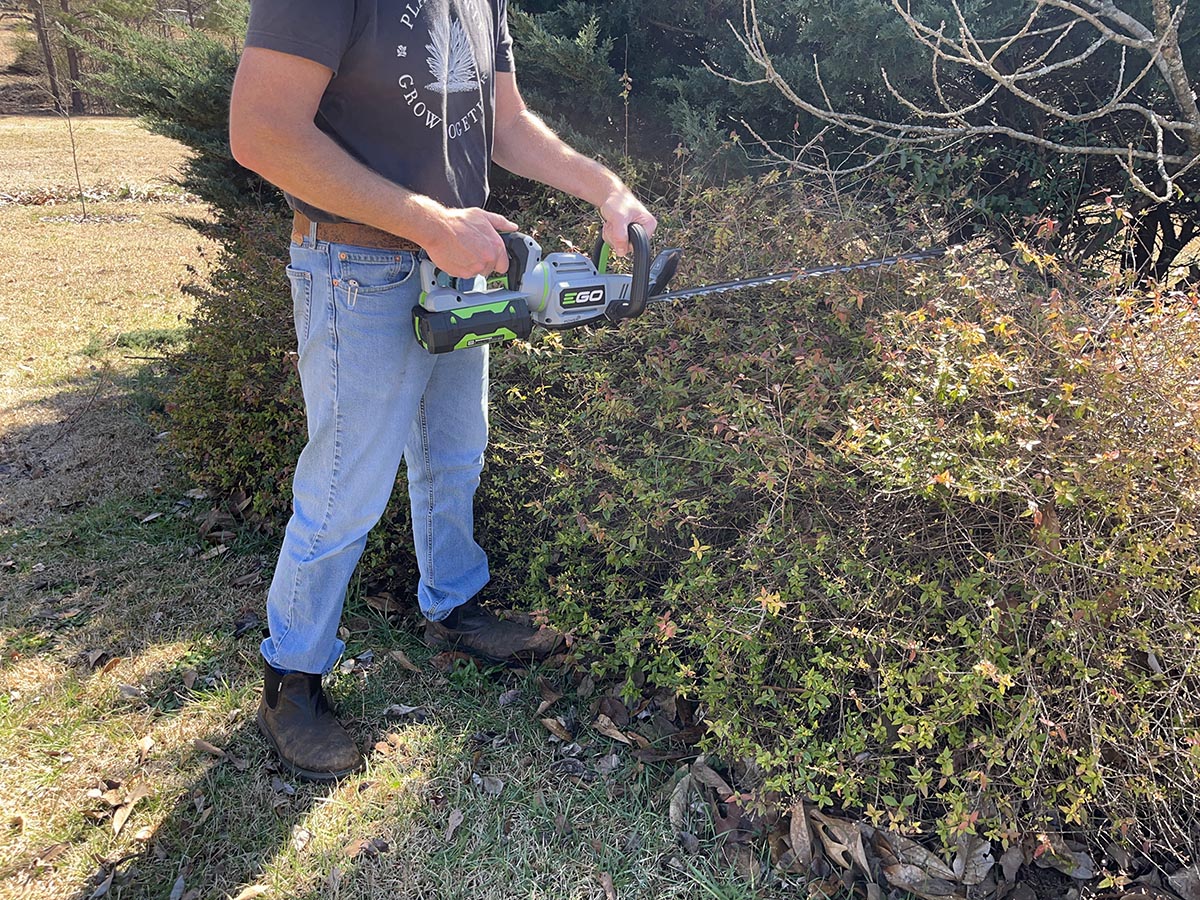
A power hedge trimmer is a motorized landscaping tool designed to prune, shape, and maintain shrubs and hedges with reciprocating blades. Choosing the right trimmer depends on the size of your hedges, the thickness of the branches, and your personal comfort with tool weight and power source types.
According to industry performance data, battery-powered hedge trimmers have largely replaced gas models for residential use due to lower maintenance requirements and reduced noise levels (Consumer Reports, 2025). When selecting your tool, balancing cutting capacity against maneuverability is the most critical factor for long-term satisfaction.
The power source determines your trimmer’s runtime, weight, and maintenance needs. Battery-powered units are the current standard for most homeowners, while gas-powered models remain relevant only for heavy-duty, commercial-scale applications where refueling is more efficient than recharging batteries.
- Battery (Cordless): These tools use lithium-ion batteries, typically ranging from 20V to 56V. They offer quiet operation, instant starts, and zero emissions. Look for high-voltage systems if you have thick, woody stems.
- Gasoline: These provide consistent power for hours without the need for recharge cycles but require fuel mixing, spark plug maintenance, and produce significant noise and exhaust. They are generally heavier than battery alternatives.
- Electric (Corded): These offer unlimited runtime but are limited by the reach of your extension cord. They are best for small yards where the hedge is within 100 feet of an outlet.
Blade length and tooth gap determine the type of work a trimmer can perform efficiently. A longer blade covers more surface area for flat, even cuts, while a wider tooth gap is necessary for thicker, established branches that might otherwise jam the mechanism.
- Blade Length: Most residential trimmers feature blades between 18 and 26 inches. A 20-inch blade is generally considered the "sweet spot" for versatility, balancing reach with ease of handling. Blades longer than 24 inches are excellent for large privacy hedges but can feel cumbersome for topiary work.
- Tooth Gap (Cutting Capacity): This measurement defines the maximum branch diameter the trimmer can handle. A gap of 0.75 inches is standard for most shrubs. If your hedges are overgrown with thick woody growth, seek a model with a 1-inch gap or larger to prevent stalls.
Keep exploring
More from GroundworkOperating a power hedge trimmer involves high-speed reciprocating blades, making safety features essential for preventing injury. Always look for tools that incorporate dual-switch activation, which requires both hands to be on the handles to start the motor, ensuring that your hands stay away from the cutting path during operation.
Additionally, consider the following safety standards:
- Blade tip guards: These prevent the blade from contacting fences or walls, which can cause kickback.
- Hand guards: A transparent plastic shield between the handle and the blades protects your hands from debris and accidental contact.
- Quick-stop brakes: A feature that halts the blade movement in less than a second after the trigger is released.
How can you maintain your hedge trimmer for longevity?
Regular maintenance ensures that your hedge trimmer remains effective and safe to use over several seasons. Dull blades force the motor to work harder, which can overheat the battery and lead to ragged cuts that expose your shrubs to disease.
Follow these maintenance steps to extend the life of your equipment:
- Clean after every use: Remove sap and debris from the blades using a stiff brush or a specialized solvent. Sap buildup increases friction and reduces cutting speed.
- Lubricate the blades: Apply a resin remover or light machine oil to the blades before and after each use to prevent rust and ensure smooth operation.
- Tighten fasteners: Vibration during operation can loosen bolts and screws. Periodically check the blade assembly and housing bolts for tightness.
- Sharpen as needed: If you notice the trimmer is tearing branches rather than slicing through them, it is time to have the blades professionally sharpened or replaced.
When evaluating specific models, prioritize ergonomics and weight distribution over raw power. A tool that is too heavy will cause fatigue, leading to sloppy cuts and potential accidents. If you are trimming tall hedges, look for pole-style trimmers that allow you to reach the tops of shrubs without using a ladder, which significantly reduces fall risks (OSHA, 2024).
For most homeowners, an 18V to 20V battery system is sufficient for standard maintenance. If your property includes extensive privacy hedges with growth exceeding one inch in diameter, upgrading to a 56V or 60V system provides the necessary torque to avoid frequent jamming. Always verify that your chosen brand offers a compatible battery ecosystem, allowing you to share power packs with other yard tools like blowers or string trimmers.