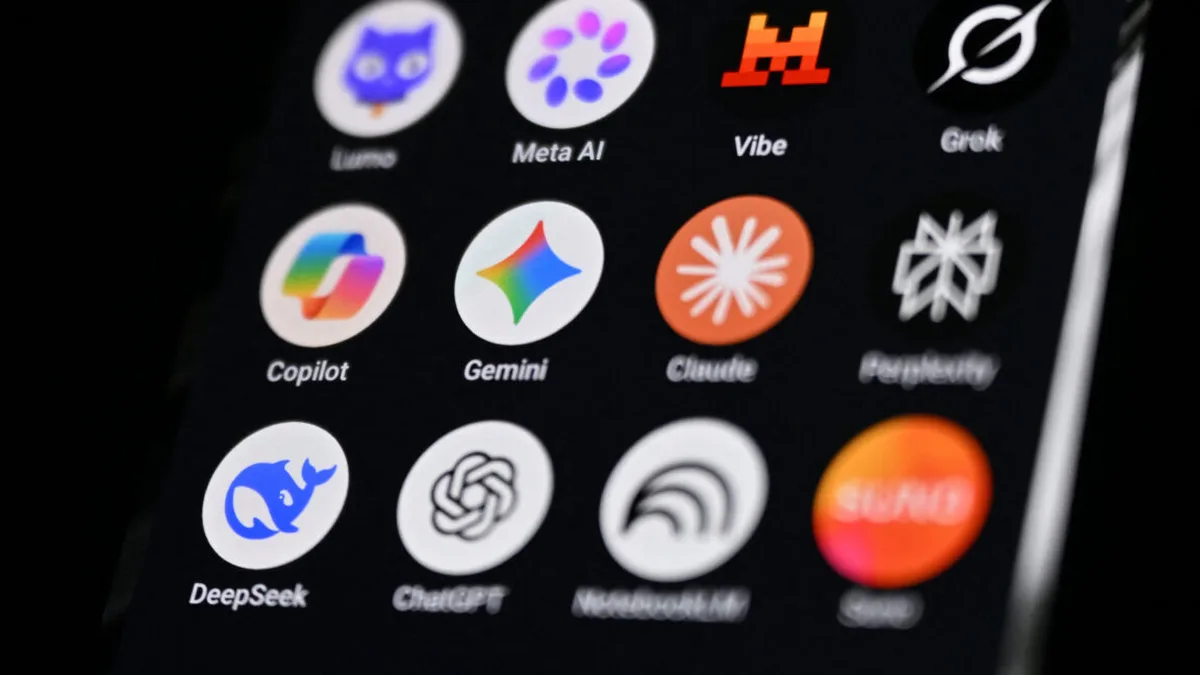
Learn how the AI price war between OpenAI, Anthropic, and international rivals impacts your software costs and how to choose the right model for your budget.
Based on reporting by Ars Technica. Research, structure, and fact-checking by Groundwork.
The AI industry is currently in a price war, significantly lowering the cost of high-performance models. Businesses should optimize costs by benchmarking tasks against cheaper alternatives and using routing layers to avoid overspending on intelligence.
For example, recent releases like GPT-5.6 Luna and Claude Opus 5 demonstrate that labs can provide high-level intelligence while significantly reducing the computational overhead required to run them (Ars Technica, 2026). You do not necessarily lose performance by choosing a mid-tier model; you often just lose the 'over-provisioning' that comes with using a general-purpose model for a task that requires less power.
To evaluate AI costs effectively, you should map your specific use cases to the lowest-cost model that meets your performance threshold, rather than defaulting to the most expensive model available. Start by benchmarking your most frequent workflows against both 'frontier' models and their more affordable, high-efficiency counterparts.
Follow these steps to optimize your AI spending:
The current price war is likely unsustainable in its most aggressive form, as it forces AI labs to balance the massive capital expenditure of training new models against shrinking revenue per query. While consumers benefit from lower costs, the long-term health of the AI ecosystem depends on labs finding a way to remain profitable while continuing to push the boundaries of intelligence.
Expect a period of consolidation where only the most efficient providers survive. Companies that can scale their infrastructure effectively will likely dominate, while those relying on high-margin, low-volume models may be forced to pivot or exit the market. For your business, this means you should avoid locking yourself into a single provider's proprietary stack where possible, keeping your integration flexible to take advantage of the best price-to-performance ratios as they evolve.
Safety and compliance depend on your specific industry regulations. While models from companies like DeepSeek are competitive, you must ensure that your data privacy policies and regional data residency requirements are met before integrating any third-party AI provider into your internal workflows.
Review your AI usage and vendor pricing every three to six months. The industry is currently moving at a rapid pace, and a model that was the most cost-effective solution six months ago may have been superseded by a more efficient, lower-cost alternative today.
Comedian Chloe Radcliffe is reframing the conversation on infidelity by moving beyond moral judgment to explore the psychological patterns behind cheating.
Learn how to evaluate SSD deals by focusing on read/write speeds, interface types, and price-per-gigabyte to ensure you get value for your hardware investment.
Learn how to choose the right television by comparing OLED and LED technologies, identifying real price discounts, and verifying essential gaming features.