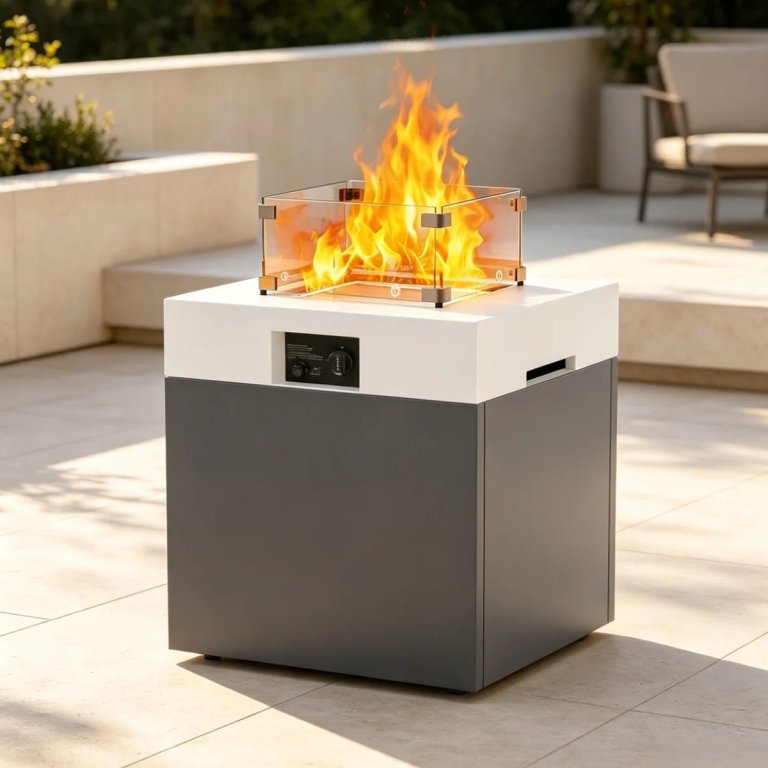
A fire pit is an outdoor heating appliance designed to contain wood or propane fires for warmth, ambiance, or cooking. Buying a fire pit during late-summer or early-autumn clearance events can save you significant money, with many retailers marking down inventory by up to 68% to make room for off-season storage (Bob Vila, 2026). Selecting the right model requires balancing fuel type, size, and your specific outdoor environment.
Choosing between propane and wood-burning fire pits depends on your preference for convenience versus the traditional fire experience. Propane fire tables, such as the Latitude Run 22-Inch model, offer instant ignition and adjustable heat settings with the turn of a knob, making them ideal for decks where smoke control is a priority (Wayfair, 2026). Conversely, wood-burning units, like the Watchmen 19-Inch smokeless pit, provide the authentic crackle and scent of a traditional campfire but require more cleanup and produce smoke that may be restricted by local ordinances.
Propane models often feature decorative glass or lava rocks and can double as patio tables when not in use. Wood-burning pits are generally more portable and lower in cost, with some models starting as low as $89.25 during clearance events (Wayfair, 2026). Before purchasing, confirm that your chosen location complies with local fire codes, particularly regarding wood-burning equipment.
Seasonal sales are the most cost-effective time to purchase outdoor heating equipment because retailers prioritize clearing warehouse space before winter inventory arrives. According to industry data, fire pit prices often drop by more than 50% in late summer as demand shifts toward indoor home goods (Bob Vila, 2026). By purchasing during these windows, you can acquire high-end features—such as integrated wind guards, waterproof covers, and stainless steel construction—at a fraction of the original MSRP.
For instance, models originally priced over $500, such as the Arlmont & Co. 18-Inch Propane Fire Table, have been observed at price points as low as $127.99 during these clearance cycles (Wayfair, 2026). Beyond the direct discount, these sales often include accessories like covers or cooking grates that would otherwise be sold separately.
Keep exploring
More from GroundworkSafety is the most critical factor when installing a fire pit, as improper placement can lead to deck damage or fire hazards. If you are placing a fire pit on a wooden deck, you must use a non-combustible heat shield or a fire-resistant mat to protect the surface from embers and radiant heat. Propane models are generally safer for wooden surfaces because they do not produce stray sparks, but they still generate significant heat underneath the unit.
Always maintain a clearance of at least 10 to 15 feet from structures, overhanging trees, and flammable materials. For wood-burning pits, a mesh spark screen is essential to contain embers. If you live in an area prone to high winds, consider a model with a glass wind guard, which stabilizes the flame and improves fuel efficiency. Regardless of the fuel type, keep a fire extinguisher or a bucket of sand nearby whenever the unit is in operation.
How do you maintain a fire pit for long-term use?
Proper maintenance ensures your fire pit remains functional and aesthetically pleasing for multiple seasons. For propane fire tables, verify that the burner holes remain clear of debris and that the gas hose is free of cracks or kinks before each use. Store your propane tank in a cool, dry place and always cover the unit with a waterproof cover when it is not in operation to prevent rust and water accumulation in the burner area.
Wood-burning fire pits require more frequent cleaning, specifically the removal of ash, which can retain moisture and accelerate corrosion of the metal bowl. Use a wire brush to remove soot buildup and apply a high-heat-resistant spray paint annually to prevent rust. If your pit is made of cast iron or raw steel, a light coating of oil can help prevent oxidation during the winter months. By following these steps, you can extend the lifespan of your fire pit significantly, regardless of the price point at which it was purchased.
Placement is vital for both comfort and efficiency. An ideal location is a flat, level surface protected from extreme wind, which can dissipate heat and cause uneven burning. If you are using a fire table, arrange your seating in a circle around the unit to ensure that all guests benefit from the heat output, which typically ranges from 30,000 to 50,000 BTUs for standard residential models (Wayfair, 2026). Avoid placing fire pits in enclosed or semi-enclosed spaces like screen porches unless the unit is specifically rated for indoor or semi-outdoor use, as carbon monoxide buildup poses a severe health risk.