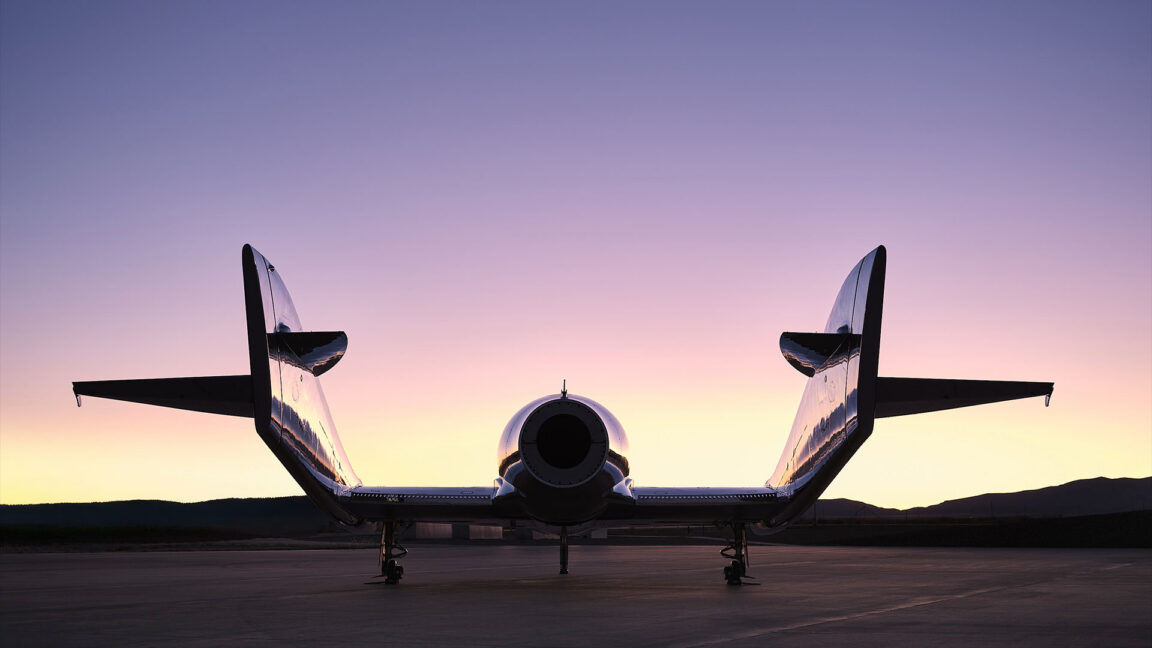
Virgin Galactic is a commercial spaceflight company that operates suborbital flights for private individuals and research payloads, and its new Delta-class spaceship is a next-generation vehicle designed for higher flight frequency and improved operational efficiency. The company is currently transitioning away from its previous SpaceShipTwo platform to this new, standardized model to scale its commercial operations.
Recent data indicates that the transition to the Delta class is critical for the company's financial viability, as the previous fleet design required extensive maintenance between flights, limiting capacity to roughly one flight per month (Source: Virgin Galactic Investor Relations). By contrast, the Delta-class vehicles are engineered for a turnaround time of just a few days, theoretically allowing for weekly flight cadences.
The Delta-class spaceship represents a fundamental shift in design philosophy from an experimental, prototype-heavy approach to a mass-production, commercial-ready model. While previous vehicles served as testbeds for suborbital human spaceflight, the Delta class is specifically built for repeatability, safety, and consistent customer throughput, which are essential requirements for long-term profitability in the nascent space tourism sector.
These vehicles are being manufactured by Virgin Galactic’s subsidiary, Aurora Flight Sciences, a Boeing company, which brings aerospace manufacturing standards that were previously absent in the company's early development phases (Source: Aurora Flight Sciences Press Archive). This partnership signals a move toward industrial-scale assembly rather than hand-built craft, marking a maturity point for the company’s infrastructure.
The Delta-class architecture improves upon SpaceShipTwo by prioritizing modularity, which allows ground crews to replace components rapidly rather than performing extensive manual overhauls. SpaceShipTwo required significant structural inspections after each flight to ensure the integrity of its composite airframe, a process that inherently limited the speed of flight operations.
Keep exploring
More from GroundworkAccording to technical specifications released by the company, the Delta class features an upgraded propulsion system and a refined aerodynamic profile designed to handle thermal loads more effectively during atmospheric reentry (Source: Virgin Galactic Technical Briefs). These changes are intended to extend the service life of each airframe, significantly reducing the cost-per-flight metric that has historically hindered suborbital tourism models.
The primary operational goal for the Delta-class fleet is to achieve a consistent, high-frequency flight schedule that supports the company’s goal of reaching positive cash flow. By standardizing the fleet, Virgin Galactic aims to move away from the "one-off" nature of previous space missions and toward a recurring, reliable service model similar to commercial aviation.
Scaling to this level requires not just the vehicles themselves, but a supporting infrastructure at Spaceport America in New Mexico that can handle higher volumes of passengers and ground support staff. The company has stated that the Delta-class fleet is the central pillar of this scaling strategy, providing the necessary hardware to meet the demand of its existing ticket backlog (Source: SpaceNews).
Virgin Galactic periodically involves the public in branding and engagement campaigns, such as the recent initiative to solicit votes for the naming of the first Delta-class vehicle. While these initiatives serve primarily as marketing tools, they also reflect the company’s intent to build a recognizable consumer brand that differentiates itself from competitors like Blue Origin or SpaceX.
To participate in future naming campaigns or company updates, monitor the official Virgin Galactic newsroom and investor relations portals. These platforms provide the most accurate information regarding flight schedules, vehicle status, and opportunities for public engagement. Ensure that you rely on official company communications rather than speculative social media discussions, as the aerospace industry is subject to frequent schedule adjustments based on technical testing and regulatory approvals from the Federal Aviation Administration (FAA).