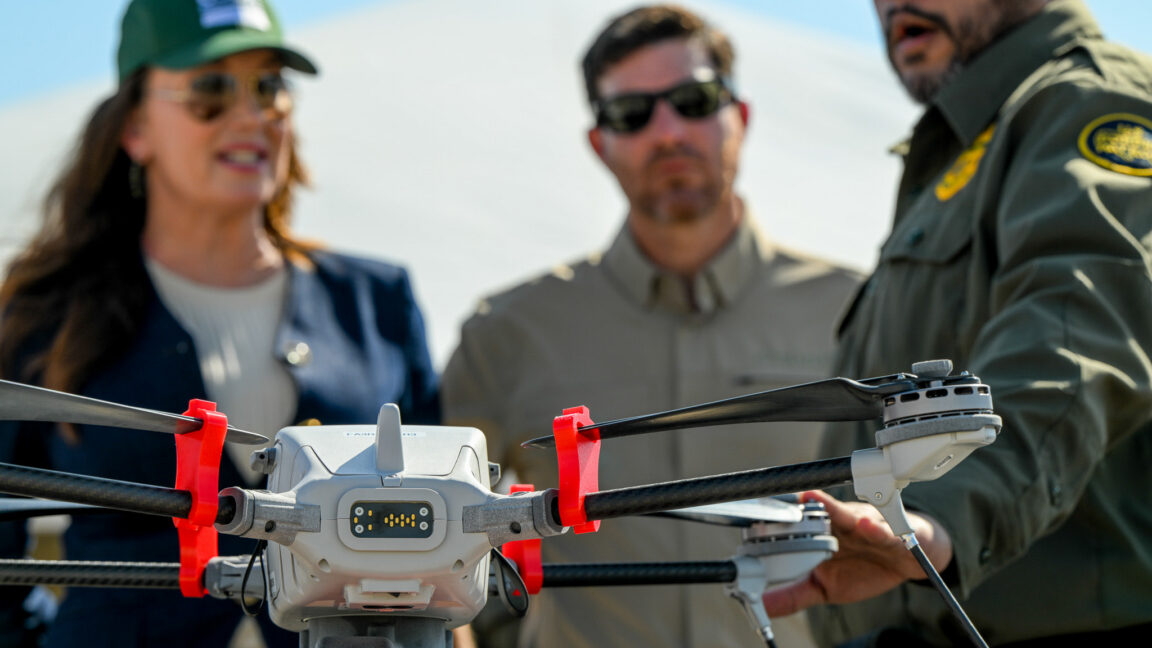
A New World screwworm infestation is a medical and agricultural crisis where the larvae of the Cochliomyia hominivorax fly infest the open wounds or body orifices of warm-blooded animals and humans. To combat the recent spread of these parasites in South Texas, the United States government has deployed a fleet of over 200 drones to monitor livestock and wildlife populations for signs of infestation, according to the United States Department of Agriculture (USDA) (USDA, 2026). This surveillance initiative marks a significant pivot in operational strategy, repurposing assets from Customs and Border Protection (CBP) to identify and contain the biological threat.
According to USDA reports, officials have conducted over 1,000 individual drone flights, covering more than 22,000 animals since the initial outbreak was identified in June 2026. This data-driven approach allows veterinarians and agricultural specialists to pinpoint affected herds without the manual labor and time requirements of traditional ground-based inspections.
The New World screwworm is a parasitic insect that poses a severe threat to both livestock and human health. Unlike common houseflies, the female screwworm fly deposits eggs into the fresh, open wounds of warm-blooded hosts. Once hatched, the larvae—or screwworms—feed on the living tissue of the host. If left untreated, these infestations can lead to massive tissue damage, secondary infections, and, in many cases, death (USDA, 2026). Historically, the United States successfully eradicated the screwworm in the mid-20th century using a sterile insect technique, making the recent resurgence in South Texas a priority for federal agricultural protection agencies.
The current surveillance strategy centers on the use of high-resolution imaging and thermal sensors mounted on unmanned aerial vehicles (UAVs). By utilizing drones, federal agencies can perform rapid assessments of large, inaccessible, or remote tracts of land where livestock and wild animals roam. This method is significantly more efficient than traditional physical inspections, which require personnel to capture or closely observe individual animals. By surveying 22,000 animals in a short timeframe, the government creates a heat map of the infestation, allowing responders to prioritize areas for sterile fly release or medical intervention.
Keep exploring
More from GroundworkThe response is a joint effort between the Department of Homeland Security (DHS) and the USDA. The DHS provides the drone hardware and pilot expertise through its CBP fleet, while the USDA provides the veterinary expertise and epidemiological oversight. This inter-agency cooperation is critical for large-scale biological containment efforts. By repurposing border security assets for public health, the government demonstrates a flexible approach to emergency management. The USDA has been actively communicating these efforts through official channels to inform ranchers and the public about the scale of the operation and the necessity of monitoring their own livestock for signs of injury or infestation.
If you own livestock in the affected regions of Texas, proactive management is essential to prevent infestations. Follow these steps to protect your animals:
- Inspect all animals daily: Look for any open wounds, cuts, or signs of irritation, particularly around the ears, nose, and navel area of newborn animals.
- Treat wounds immediately: If you find an open wound, clean it thoroughly with an antiseptic and apply an approved insecticide or wound dressing to prevent flies from laying eggs.
- Report suspected cases: Contact your local veterinarian or the Texas Animal Health Commission immediately if you observe unusual maggot-like activity in a wound.
- Minimize surgical procedures: Avoid branding, dehorning, or castrating livestock during periods of high fly activity to reduce the risk of creating open wounds.
By combining federal drone surveillance with vigilant local management, the goal is to isolate the screwworm population and prevent a broader regional outbreak. The combination of aerial monitoring and ground-level owner intervention remains the most effective strategy for controlling the spread of this parasite.