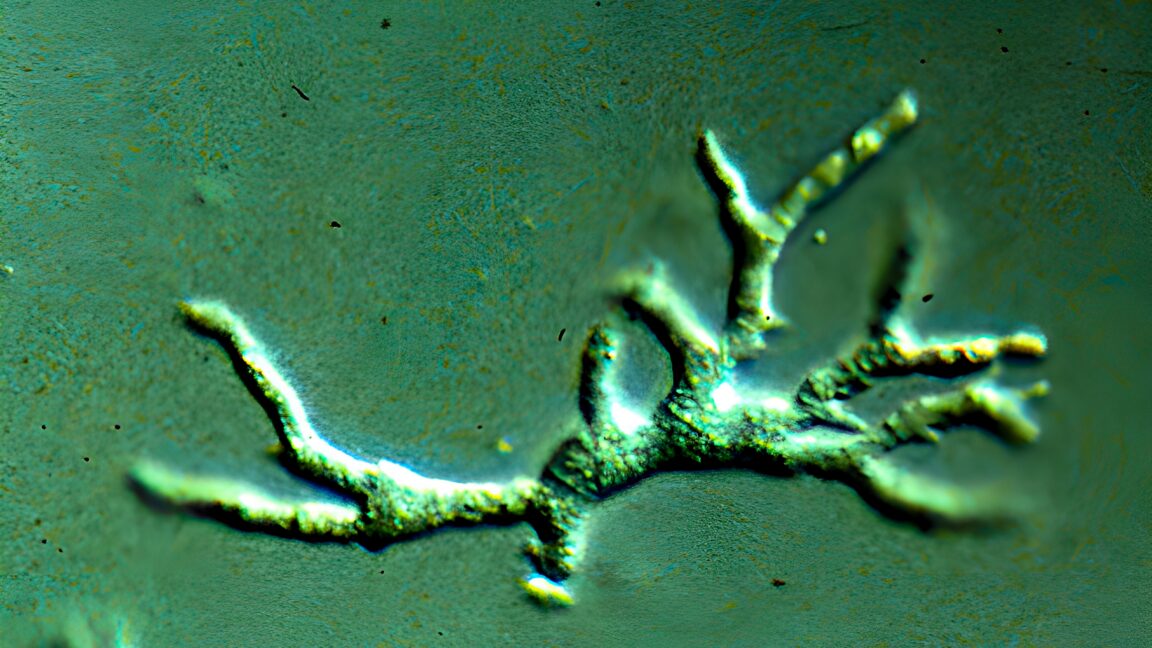
Balamuthia mandrillaris is a rare, free-living soil amoeba that can cause a severe and often fatal brain infection known as granulomatous amoebic encephalitis (GAE). The pathogen is typically found in soil, dust, and water and enters the body through skin wounds, inhalation, or ingestion of contaminated material, according to the Centers for Disease Control and Prevention (CDC).
While the pathogen was first identified in 1986 following the death of a mandrill at the San Diego Zoo, it remains an exceptionally rare cause of human illness. Data suggests that fewer than 200 human cases have been documented worldwide since its discovery. Despite its rarity, the clinical profile of the infection is significant because it is fatal in approximately 90% of cases, primarily due to the difficulty of early diagnosis and the lack of standardized, highly effective treatment protocols (CDC, 2024).
The infection is notoriously difficult to diagnose because its initial symptoms often mimic common viral or bacterial illnesses, leading clinicians to overlook the presence of an amoeba. Symptoms typically begin with vague complaints like headaches, fever, vomiting, and lethargy, which do not immediately signal a rare parasitic infection to medical professionals (Journal of Clinical Microbiology).
Because the infection is so infrequent, doctors rarely include it in their initial differential diagnosis. By the time neurological symptoms—such as weakness, difficulty swallowing, or loss of consciousness—become apparent, the amoeba has often caused significant, irreversible damage to the central nervous system. Diagnostic delays are common because standard blood tests and routine imaging often fail to distinguish Balamuthia from other brain lesions, such as tumors or bacterial abscesses.
Keep exploring
More from GroundworkBalamuthia infections follow a slow, progressive course that distinguishes them from other brain-eating amoebas like Naegleria fowleri, which cause rapid, acute meningitis. Once the amoeba enters the body, it can travel through the bloodstream to the brain, where it forms granulomas—masses of inflamed tissue—that slowly destroy brain matter over weeks or months (National Institutes of Health).
Clinical progression typically occurs in three stages:
- Initial exposure: The amoeba enters through a break in the skin or the respiratory tract, often resulting in a painless skin lesion that may be ignored.
- Early systemic symptoms: The patient develops low-grade fever, malaise, and headaches as the pathogen begins its migration.
- Neurological deterioration: As the amoeba reaches the brain, patients experience focal neurological deficits, such as muscle weakness, seizures, and altered mental status, eventually leading to coma and death.
There is no single, universally effective treatment for Balamuthia infections, and survival often depends on the early administration of a complex, multi-drug regimen. Because the amoeba is so resistant to standard antimicrobial therapies, physicians must use a combination of drugs—including specific antibiotics, antifungals, and antiparasitic medications—that can cross the blood-brain barrier to reach the site of infection (CDC).
Even when treatment is initiated, the drugs often carry severe side effects, and the prognosis remains guarded. Recent medical literature emphasizes that the key to improving patient outcomes lies in increasing physician awareness of the pathogen’s existence and its potential to appear in patients without obvious environmental risk factors. Improved molecular diagnostic techniques, such as metagenomic next-generation sequencing, are currently being explored as ways to identify the pathogen earlier in the clinical course.
While you cannot actively prevent exposure to such a rare pathogen, understanding the warning signs of unexplained neurological decline is critical. If you or a family member experience persistent, unexplained headaches accompanied by neurological changes, seek immediate evaluation at a facility capable of complex neurological care.
- Document symptoms: Keep a clear timeline of when headaches, fever, or motor weaknesses began.
- Communicate history: Inform doctors of any recent exposure to soil or dust, especially if there were prior skin abrasions.