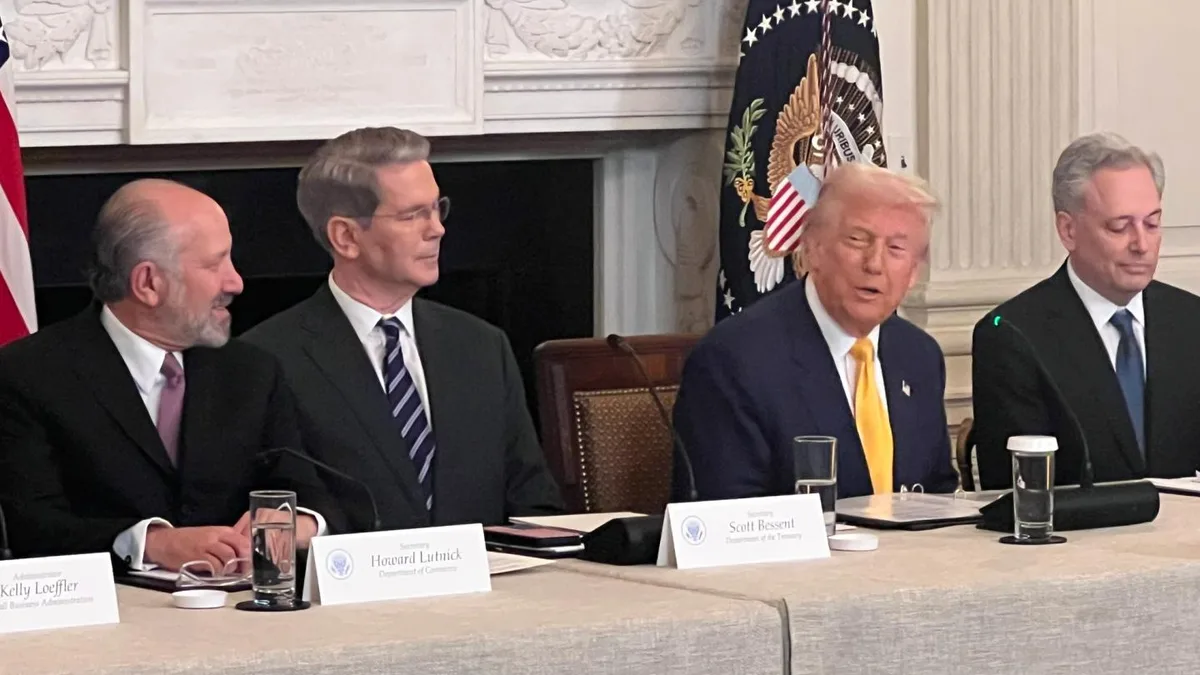
A White House innovation meeting is a high-level policy dialogue gathering industry leaders from the cryptocurrency, artificial intelligence, and prediction market sectors to discuss regulatory frameworks and market development. When President Donald Trump participates in such meetings, it signals a shift toward prioritizing executive-led policy discussions regarding the integration of digital assets into the broader U.S. financial system.
According to reports from CoinDesk, leadership from major firms including Coinbase, Ripple, Gemini, and Robinhood—all members of the Commodity Futures Trading Commission (CFTC) Innovation Advisory Committee—are slated to attend this event at the Eisenhower Executive Office Building. The meeting serves as a precursor to formal committee proceedings, aiming to establish a clear policy trajectory for industries that have historically operated under significant regulatory uncertainty.
The primary purpose of this White House gathering is to initiate a direct policy dialogue between federal leadership and executives from the innovation sector. By bringing together leaders from crypto, AI, and prediction markets, the administration seeks to address the "remaining challenges to a durable federal market structure," according to internal committee agendas reported by industry sources. This dialogue is intended to move the industry from a state of regulatory ambiguity toward a more defined legal landscape.
For investors, these meetings are significant because they often precede legislative shifts or changes in enforcement priorities. When the executive branch engages directly with industry stakeholders, it suggests that the administration is preparing to draft or support specific policy proposals that could impact market access, asset classification, and the legal status of digital financial products.
The innovation committee is a cross-industry group that bridges the gap between emerging digital asset firms and traditional financial institutions. Participants include high-ranking executives from:
- Digital asset exchanges and blockchain firms (e.g., Coinbase, Ripple, Gemini).
- Prediction market platforms (e.g., Polymarket, Kalshi).
- Traditional financial infrastructure providers (e.g., CME Group, Nasdaq, Intercontinental Exchange).
- Clearing and settlement organizations (e.g., DTCC).
By including both crypto-native firms and established financial giants, the committee aims to create a consensus-based approach to market structure. This diversity of membership is designed to ensure that any proposed regulatory updates do not inadvertently destabilize existing financial systems while still allowing for the growth of blockchain-based innovation.
Keep exploring
More from GroundworkThe meeting’s timing coincides with ongoing legislative debates regarding the Digital Asset Market Clarity Act, which is currently stalled in the U.S. Senate. The administration's involvement may prove critical in breaking the legislative gridlock. Observers note that the progress of this act is heavily dependent on the president's willingness to align on specific ethics restrictions and oversight requirements that have previously caused friction between the White House and lawmakers.
If the White House uses this meeting to signal support for a specific version of this legislation, it could provide the political momentum necessary to bring the bill to a final vote. For market participants, the outcome of this legislative push is the most significant indicator of future regulatory costs and compliance requirements. Investors should watch for official statements following the meeting, as these will likely outline the administration's stance on the bill's most contentious provisions.
Following the conclusion of these discussions, the market will likely react to any shifts in the tone of federal regulatory discourse. Investors should monitor three specific areas to assess the long-term impact on their portfolios:
- Statements on regulatory oversight: Look for any mention of whether the SEC or the CFTC will take the lead on specific asset classes. A shift toward CFTC oversight is generally perceived as more favorable by the crypto industry.
- Legislative alignment: Any explicit support from the White House for the Digital Asset Market Clarity Act would likely act as a catalyst for increased institutional investment.
- Institutional integration: Monitor how traditional financial firms on the committee, such as Nasdaq and CME Group, respond to the proposals. Their buy-in is essential for the legitimacy and long-term viability of crypto-based financial products.
Because regulatory news can cause immediate volatility in digital asset markets, you should ensure your investment strategy is not overly reliant on speculative growth. Consider the following steps to position your portfolio for potential policy changes:
- Review your asset allocation: Ensure that your exposure to volatile digital assets is balanced by traditional, regulated financial instruments.
- Monitor regulatory filings: Pay close attention to any updates from the CFTC following their inaugural committee event, as these will provide the technical details that the White House meeting may lack.
- Evaluate your risk tolerance: Regulatory clarity is a double-edged sword; while it can lower risk, it may also lead to stricter compliance costs that could impact the profitability of smaller crypto firms. Ensure that your holdings are in companies with strong balance sheets capable of navigating a more regulated environment.