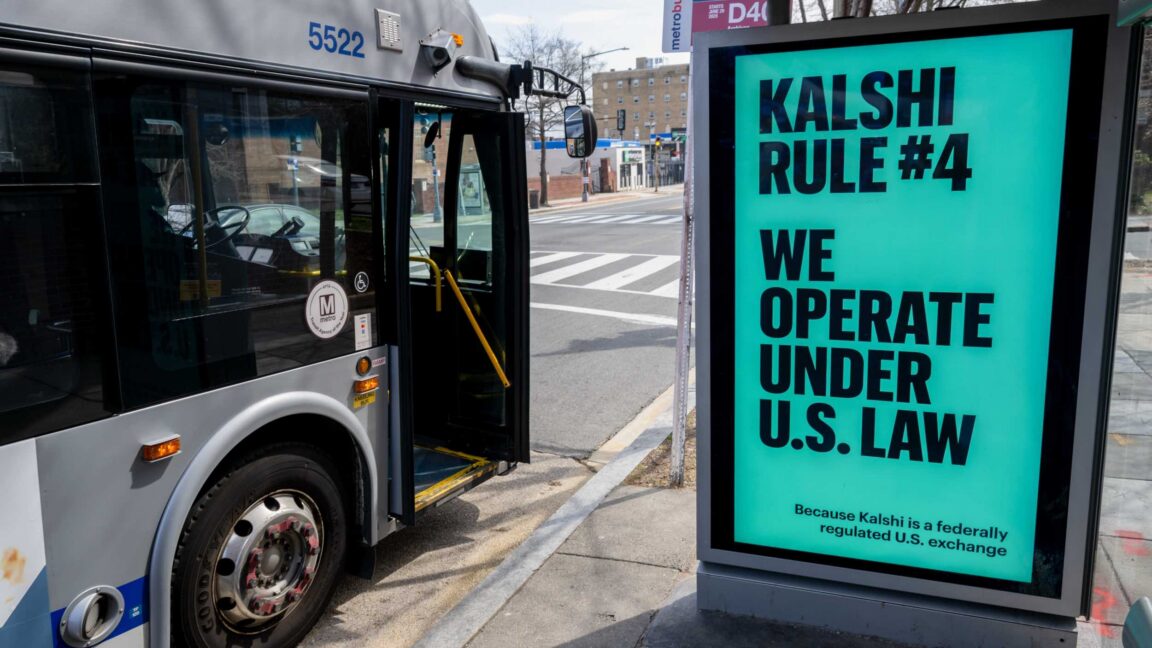
A federal emergency order involving the Commodity Futures Trading Commission (CFTC) has placed the federal government in direct opposition to New York state gambling enforcement. This regulatory conflict centers on Kalshi, a prediction market platform, and whether its event contracts constitute regulated financial derivatives or unlawful gambling under state statutes. The CFTC recently invoked its emergency authority to mandate that Kalshi continue its operations within New York, effectively attempting to override state-level legal action aimed at shutting the platform down.
The CFTC is an independent federal agency that regulates commodity futures and options markets in the United States. In August 2026, the agency declared a "market emergency" regarding Kalshi, asserting that the exchange must remain operational to maintain market stability and adhere to the Commodity Exchange Act’s Core Principles (CFTC, 2026). This action was taken at the explicit request of Kalshi following a lawsuit filed by the New York Attorney General. By exercising this emergency authority, the federal government is signaling that federal oversight of derivatives markets preempts state-level gambling prohibitions, a legal argument that has significant implications for the future of prediction markets.
New York Attorney General Letitia James initiated legal action on July 31, 2026, seeking to permanently enjoin Kalshi from conducting business in the state. The Attorney General’s office argues that Kalshi is operating an unlawful gambling business, which violates New York’s strict penal codes regarding betting and wagering (New York Attorney General, 2026). The lawsuit demands that the platform cease all operations, provide full restitution to New York customers who participated in these markets, and pay financial penalties for non-compliance. This puts the platform in the middle of a "dual-sovereignty" conflict, where it is simultaneously ordered to close by state authorities and to remain open by federal regulators.
Keep exploring
More from GroundworkPrediction markets are financial exchanges where participants trade contracts based on the outcomes of future events, such as elections, economic indicators, or weather patterns. Proponents argue these platforms provide valuable data by aggregating information from a diverse group of participants, effectively acting as a forecast mechanism. Critics, however, contend that these platforms are often indistinguishable from sports betting or traditional casino gambling. The legal distinction rests on whether these contracts are classified as "event contracts" under federal commodity law or "games of chance" under state law. The Commodity Exchange Act provides a framework for federal oversight, but it has historically left room for state-level enforcement of gambling laws, a balance that is now being tested in federal court.
If you are a user of prediction markets, the current legal environment introduces significant uncertainty regarding the status of your funds and the legality of your trades. To navigate this landscape, follow these steps:
- Monitor federal court filings: The outcome of the litigation between the CFTC and the New York Attorney General will set a precedent for how these platforms operate nationwide.
- Review platform terms of service: Changes in regulatory status often force platforms to update their user agreements or restrict access based on geographic location.
- Assess your financial exposure: Because there is a possibility of court-ordered restitution or platform suspension, avoid keeping large sums of capital on these exchanges while legal challenges are ongoing.
- Consult local regulations: Even if federal regulators approve a platform, state-level authorities may continue to challenge specific operational practices. Always verify if your state of residence has issued specific guidance regarding prediction markets.
This dispute represents a growing trend of friction between federal commodity regulation and state-level control over gambling. If the federal government successfully overrides New York’s enforcement, it could pave the way for a broader expansion of prediction markets across the country, potentially preempting other state bans. Conversely, if the courts side with the Attorney General, it may force federal agencies to reconsider how they grant operating licenses to platforms that mimic gambling products. Investors and users should expect ongoing volatility in this sector as the judiciary determines the boundaries of federal preemption in the digital assets space.