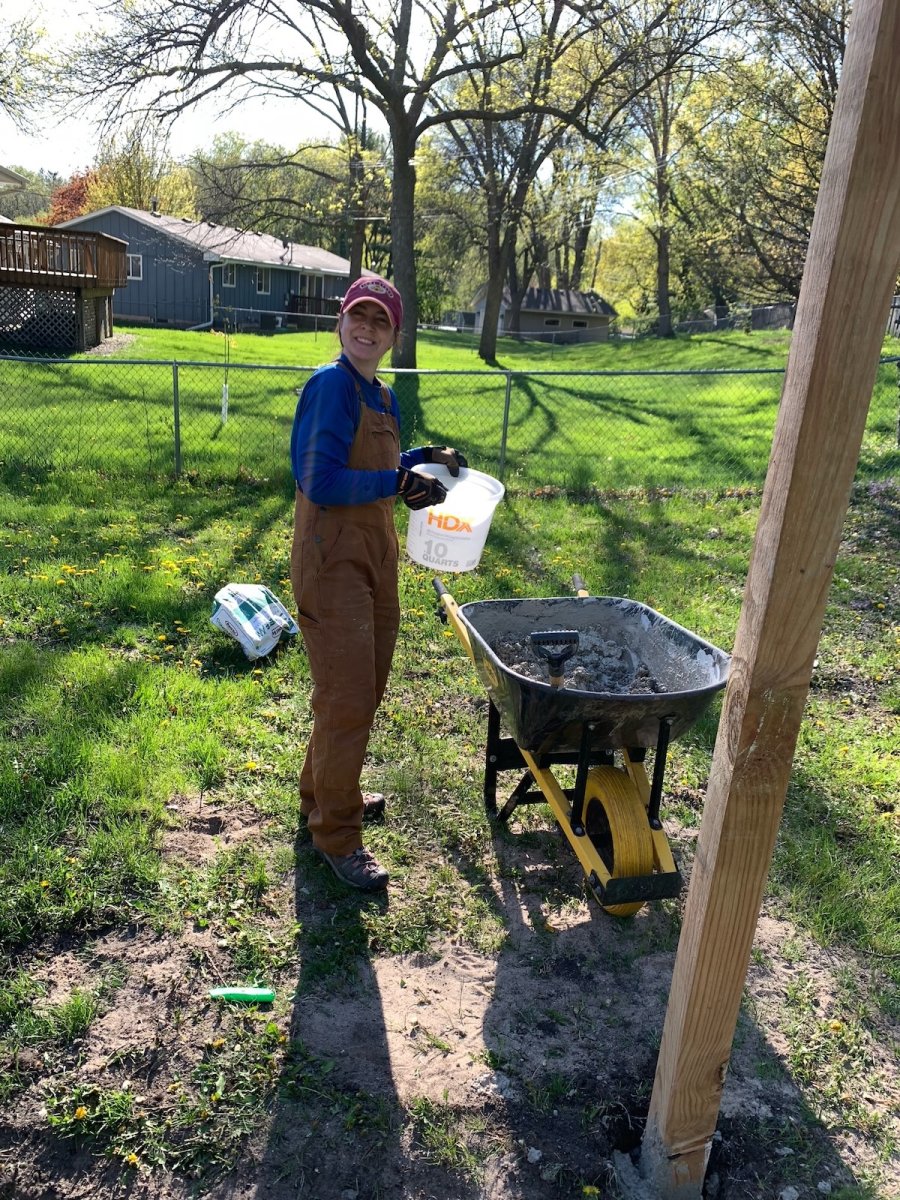
Setting a 4x4 post is the foundational step for building fences, mailboxes, and garden structures. A 4x4 post is a square-cut piece of lumber measuring 3.5 inches by 3.5 inches, commonly used for vertical support in outdoor DIY projects. Choosing the right method depends on the load the post must bear, your local soil conditions, and whether the installation is intended to be permanent or temporary.
Data from the American Wood Council indicates that proper post installation is the primary factor in preventing structural failure due to wind load or soil movement. While there are several ways to secure a post, the three most common methods—concrete, steel spikes, and expanding foam—each serve different structural needs.
Which method should you use for your post?
Selecting an installation method requires balancing structural longevity against ease of labor. For permanent, heavy-duty structures like privacy fences or structural pergolas, concrete remains the industry standard because it anchors the post firmly against lateral movement. If you are installing light-duty, temporary items such as garden gates or birdhouses, steel spikes or expanding foam offer a faster installation process that avoids the need for heavy lifting and excavation.
How to set a post using concrete
Setting a post in concrete is the most reliable method for permanent, structural installations, particularly in regions with significant freeze-thaw cycles. Concrete creates a rigid foundation that resists the twisting and leaning forces common in tall fence lines. According to the International Residential Code, depth requirements are critical, and you must extend your hole at least 6 inches below the local frost line to prevent frost heave from pushing the post out of the ground.
- Dig a hole three times the width of the post and at least 6 inches deeper than the frost line. Using a power auger is recommended for efficiency, though manual post-hole diggers are sufficient for smaller projects.
- Add 4 to 6 inches of crushed gravel to the bottom of the hole. This layer facilitates drainage, which prevents the base of the wood post from sitting in standing water and rotting prematurely.
- Position the post in the center of the hole. Use a level to ensure the post is plumb (perfectly vertical) on two adjacent sides.
- Brace the post using scrap lumber or dedicated post-leveling tools to keep it plumb while you pour.
- Mix and pour concrete into the hole around the post. Ensure the concrete is sloped away from the post at the surface to encourage water runoff.
- Allow the concrete to cure according to the manufacturer’s instructions, typically 24 to 48 hours, before attaching heavy rails or gates.
How to install a post using steel spikes
Keep exploring
More from GroundworkSteel post spikes are designed for lightweight, temporary structures where digging a traditional hole is impractical. A steel spike is a metal sleeve that is driven into the ground, allowing you to insert a 4x4 post without the need for concrete or soil excavation. These are best suited for areas with stable soil and are not recommended for tall fences that will face high wind loads.
- Clear the area of rocks and debris. If the ground is dry or hard, saturate the area with a hose to soften the soil.
- Place a temporary wood block into the metal sleeve of the spike to protect the metal from deformation.
- Using a heavy-duty mallet or a sledgehammer, drive the spike into the ground until the sleeve is flush with the surface.
- Remove the wood block and insert your 4x4 post into the sleeve.
- Secure the post to the spike using the manufacturer-provided screws or heavy-duty outdoor-rated fasteners. Verify the post is plumb using a level.
How to use expanding foam for post setting
Expanding foam is a modern alternative to concrete that provides a lightweight, water-resistant anchor for fence posts. Unlike concrete, which can crack over time, expanding foam remains slightly flexible, which can be an advantage in shifting soil conditions. It is specifically formulated to bond with both the wood post and the soil inside the hole.
- Dig a hole to the required depth and width, ensuring the sides are relatively clean of loose debris.
- Insert the post and brace it securely in the plumb position. Because foam expands rapidly, it is difficult to adjust the post once the material begins to set.
- Follow the manufacturer’s mixing instructions precisely. Most products require you to squeeze the two-part mixture into the hole around the post simultaneously.
- Monitor the foam as it expands to fill the voids between the post and the earth. Do not overfill, as the excess can be difficult to remove.
- Wait for the material to harden, which typically takes 15 to 30 minutes, before removing the braces.
How to prevent post rot
Regardless of your chosen installation method, protecting the wood from moisture is essential for longevity. Always use pressure-treated lumber rated for ground contact. Additionally, consider applying a wood preservative to the cut ends of the post before installation. If using concrete, crowning the top of the concrete with a slight slope prevents water from pooling against the wood grain, which is the most frequent cause of premature structural failure.