Removing paint from plastic is the process of safely lifting dried or wet pigment from synthetic surfaces without compromising the structural integrity or finish of the underlying material. Because plastic is a porous yet chemically sensitive material, the method you choose depends heavily on whether the paint is water-based (latex) or oil-based, as well as the durability of the plastic finish.
According to industry guidelines, approximately 80% of household paint spills on plastic can be resolved without harsh chemical strippers if addressed with the correct mechanical or mild solvent-based approach (Source: Bob Vila, 2023). Before applying any chemical agent to a visible area, always perform a spot test on an inconspicuous section of the plastic to ensure the solvent does not melt, warp, or discolor the surface.
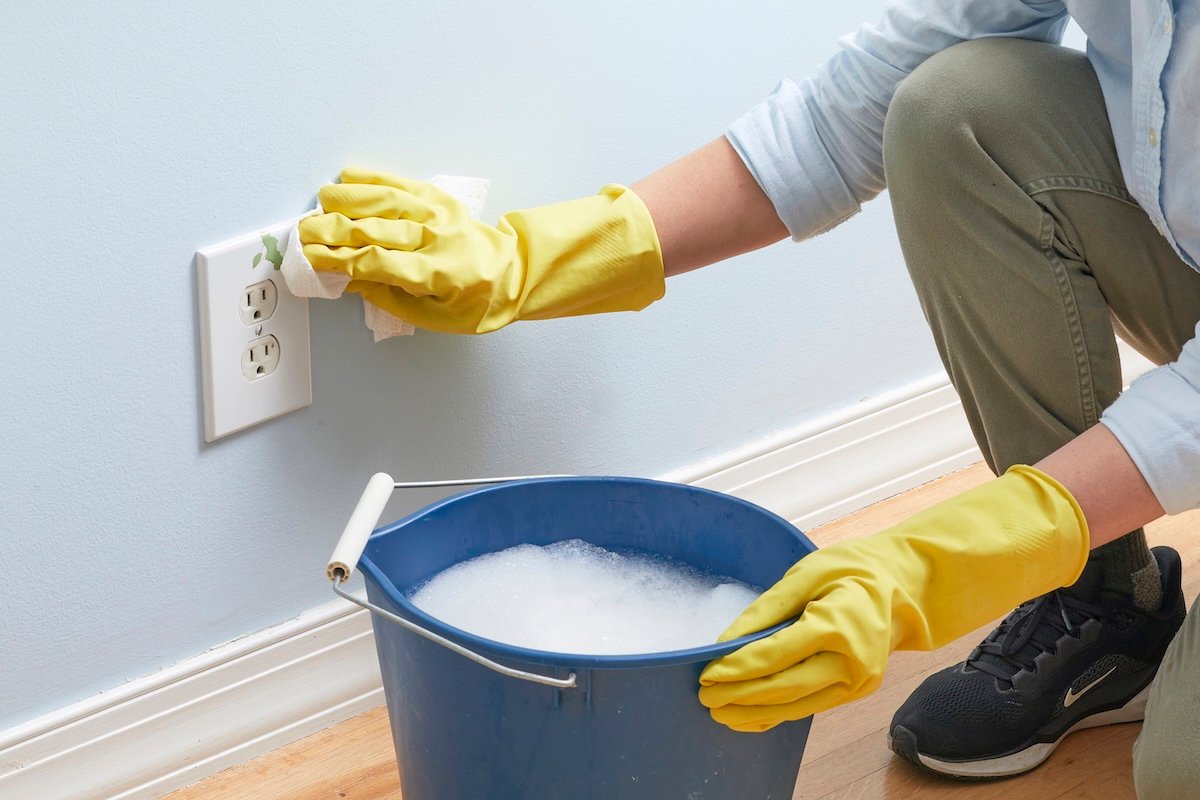
Fresh paint is a liquid dispersion that has not yet bonded to the plastic surface, making it easiest to remove with simple surfactants. If you discover a splatter while it is still wet, you should immediately wipe the area with a mixture of warm water and mild dish soap to prevent the paint from curing into a solid film.
- Mix one tablespoon of dish soap into a gallon of warm water.
- Use a clean microfiber cloth or paper towel to gently blot the paint. Avoid aggressive scrubbing, which can spread the liquid into the texture of the plastic.
- Rinse the surface with clean water and dry it immediately to prevent water spots.
If the paint has begun to dry, soap and water may be insufficient. In these cases, you must transition to methods that break the chemical bond between the paint and the plastic substrate.
Vegetable oil is an effective, non-toxic way to soften dried paint on plastic because it acts as a lubricant that penetrates the paint layer, causing it to lose its grip on the non-porous surface. This method is particularly recommended for delicate plastic items where you wish to avoid the risk of chemical melting.
To use this method, dab a small amount of household vegetable oil onto a clean rag and apply it directly to the paint splatter. Allow the oil to sit for 15 to 30 minutes. The oil will seep underneath the edges of the dried paint, allowing you to use a plastic putty knife or your fingernail to gently lift the paint away. Once the paint is removed, wash the area thoroughly with dish soap to remove the oily residue, which can otherwise attract dust and grime.
Keep exploring
More from GroundworkIsopropyl alcohol, or rubbing alcohol, is a solvent that effectively dissolves many types of paint without the aggressive melting properties associated with acetone or industrial paint thinners. It is the preferred choice for stubborn, dried-on latex or acrylic paints that have hardened significantly.
To safely use isopropyl alcohol, dampen a clean cloth with the solution and apply it to the paint. Work in small, circular motions. You may notice the paint beginning to liquefy or "ball up." Continue to reapply the alcohol to your cloth as it becomes saturated with paint. Once the paint is removed, wipe the plastic surface with a damp cloth to neutralize the area. Always ensure you are working in a well-ventilated space, as alcohol fumes can be irritating in confined areas (Source: American Cleaning Institute, 2024).
Using a mechanical tool like a paint scraper or razor blade is a high-risk, high-reward method that requires precise technique to avoid gouging the plastic surface. This method is best reserved for flat, rigid plastic surfaces where you can maintain a low-angle approach to the work.
When using a scraper, keep the blade at a 30-degree angle to the surface. Apply steady, light pressure rather than aggressive force. If you are working on contoured plastic, such as outdoor furniture, consider using a duller plastic scraper rather than a metal razor blade to minimize the risk of scratching. If you must use a metal blade, ensure the blade is fresh and free of nicks, which can easily catch on plastic and cause deep, permanent scratches.
Acetone is a powerful solvent that should be used as a last resort because it can rapidly dissolve or cloud many types of plastic, including ABS and polycarbonate. If you choose to use acetone, do so only if you have confirmed the plastic is resistant to it through a discreet spot test.
Apply a tiny amount of acetone to a cotton swab rather than a large rag. Gently touch the paint only. If you see the plastic beginning to dull or turn white, stop immediately and rinse the area with water. If the paint lifts cleanly, wipe the area with a damp cloth to remove any residual solvent. Never soak plastic in acetone, as it will cause structural failure and permanent surface damage (Source: Chemical Safety Board, 2023).