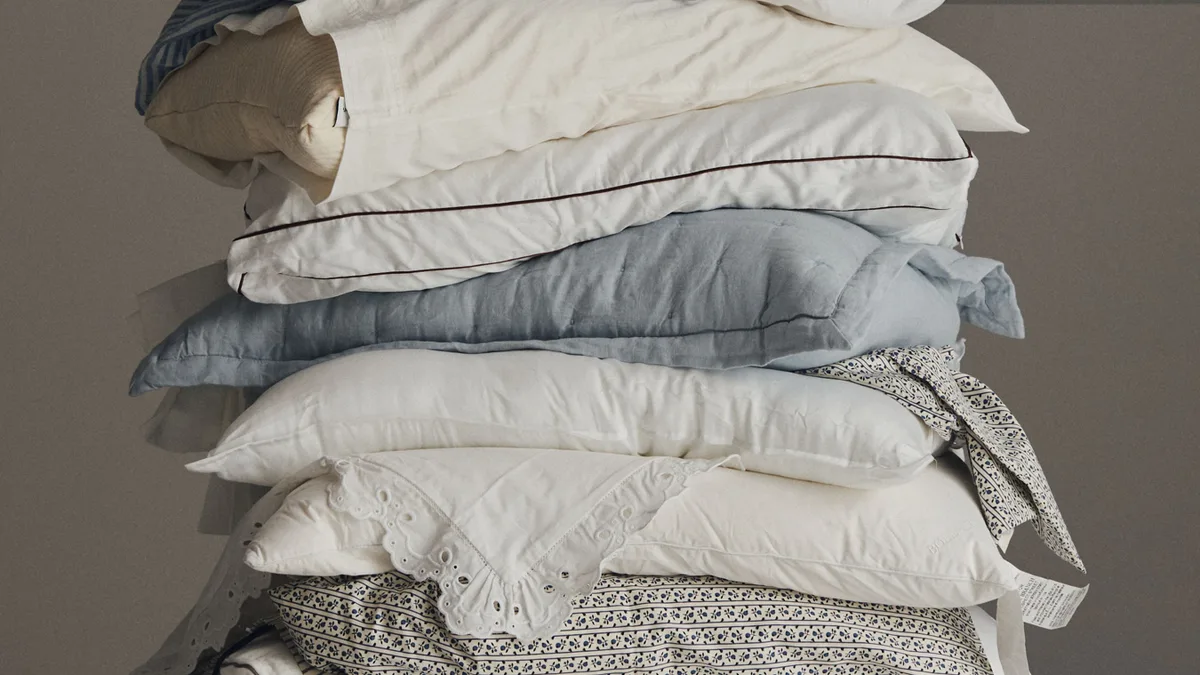
A pillow is a structural support tool designed to maintain the neutral alignment of your head, neck, and spine while you sleep. Selecting the right pillow depends primarily on your preferred sleeping position—side, back, or stomach—and your personal thermal regulation needs, as improper loft can lead to chronic neck pain and poor sleep quality.
According to the National Sleep Foundation, the quality of your bedding directly impacts your sleep architecture, with improper neck support being a leading cause of morning stiffness (National Sleep Foundation, 2024). While market trends emphasize cooling technologies and luxury fills, the most critical factor remains the pillow's ability to maintain its loft under the weight of your head throughout an eight-hour cycle.
Your sleeping position is the single most important variable in determining the necessary loft and firmness of your pillow. Side sleepers generally require a high-loft, firm pillow to bridge the gap between their ear and the mattress, keeping the cervical spine aligned. Back sleepers typically benefit from a medium-loft pillow that cradles the natural curve of the neck without pushing the chin toward the chest. Stomach sleepers, conversely, require a very thin, soft pillow—or no pillow at all—to prevent the neck from being craned at an unnatural angle.
Research indicates that using a pillow that is too high or too low for your specific sleeping position can increase muscular tension in the trapezius and sternocleidomastoid muscles (Journal of Physical Therapy Science, 2021). When testing pillows, look for "chamber" designs, such as the Boll & Branch Down Chamber Pillow, which utilize a multi-layer construction to provide structural integrity while maintaining surface comfort. If you frequently change positions during the night, a medium-firm memory foam or a high-quality down-alternative hybrid is often the most versatile choice.
Cooling pillows are specialized products engineered with phase-change materials (PCM), gel-infused foams, or breathable, moisture-wicking covers to dissipate heat away from the body. If you are a "hot sleeper"—defined as someone who consistently experiences night sweats or wakes up feeling overheated—these materials can significantly improve sleep continuity by lowering your core temperature.
However, it is important to distinguish between marketing claims and actual thermal regulation. A study published in the journal Building and Environment suggests that while phase-change materials can provide a temporary cooling sensation, their effectiveness is limited by the insulating properties of your pillowcase and the ambient temperature of your room (Building and Environment, 2022). For consistent temperature control, prioritize pillows with natural, breathable covers like organic cotton or Tencel, which facilitate airflow better than synthetic polyester blends.
Keep exploring
More from GroundworkHow should you evaluate pillow maintenance and longevity?
Ease of care is a critical factor for the longevity of your investment, especially for pillows containing down or down-alternative fills. A high-quality pillow should feature a removable, machine-washable cover to protect the inner core from skin oils, sweat, and allergens. While some down pillows are advertised as machine washable, frequent washing can compromise the loft if the fill is not dried thoroughly.
To maximize the life of your pillow, follow these maintenance steps:
- Use a high-quality pillow protector to create a barrier against mites and moisture.
- Fluff your pillow daily to redistribute the fill and prevent permanent compression.
- Wash the removable cover every two weeks in cold water on a gentle cycle.
- If the pillow is washable, dry it on a low-heat setting with wool dryer balls to ensure the fill remains evenly distributed.
According to the Sleep Foundation, most pillows should be replaced every 18 to 24 months, as they lose their supportive structure and accumulate dust mites over time (Sleep Foundation, 2023). If your pillow remains compressed after you fold it in half, it has lost its structural integrity and needs to be replaced.
Choosing between fill types requires balancing your need for "sink-in" comfort versus "push-back" support. Down fill, specifically high-fill-power goose down, offers superior loft and adjustability, making it ideal for those who want to shape their pillow. However, down can lose its support over time and requires regular fluffing.
Memory foam provides consistent, contoured support that is excellent for relieving pressure points, particularly for those with chronic neck pain. The primary drawback of solid memory foam is its tendency to retain heat. If you prefer the support of foam but dislike the heat retention, look for shredded memory foam pillows. Shredded foam allows for better airflow through the pillow and provides a feel that is closer to traditional down while maintaining the supportive properties of viscoelastic foam.
Ultimately, the "best" pillow is the one that facilitates a neutral spine position. If you wake up with neck soreness, your current pillow is likely failing to bridge the gap between your head and the mattress, or it is pushing your head into an unnatural position. Prioritize structural support over "plush" marketing claims to ensure long-term comfort.