Google's 2026 hardware lineup: what to know about the Pixel 11 and Pixel Tag
Google's 2026 hardware lineup features the Pixel 11, Pixel Watch 5, and Pixel Tag. Learn about the new HiLight feature and what these updates mean for you.
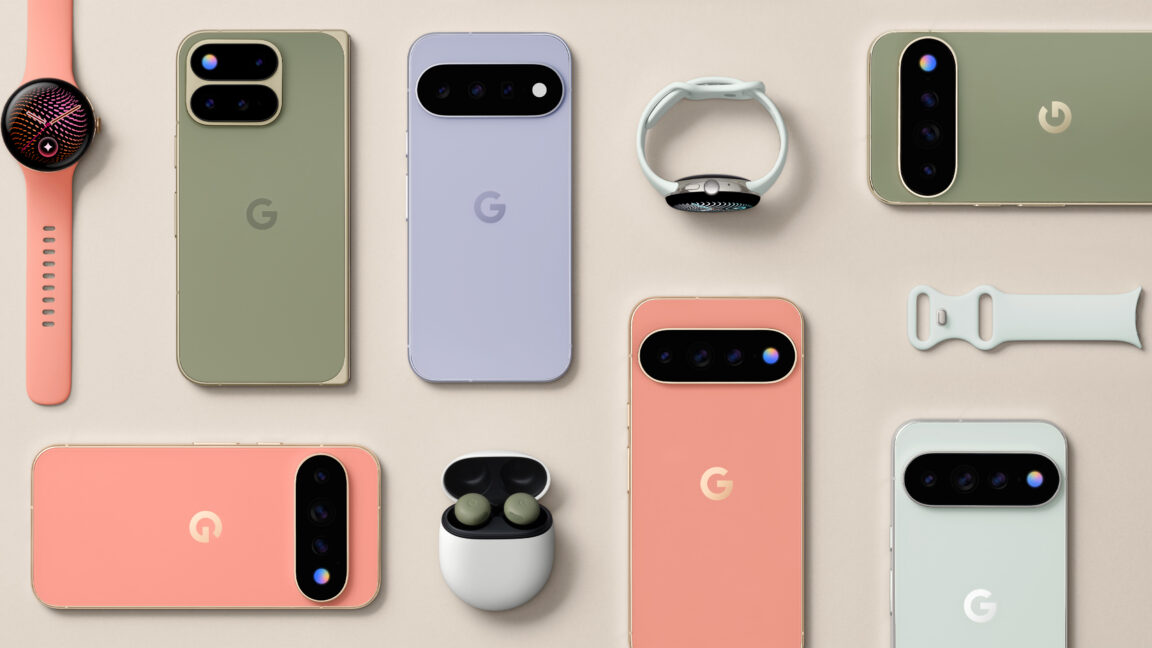
The 2026 Google hardware lineup focuses on incremental design improvements and deep Gemini AI integration, highlighted by the new 'HiLight' LED on the Pixel 11 Pro. If you rely on voice-based AI, these updates may offer practical benefits, but casual users can expect a familiar experience similar to the Pixel 9 series.
“Google is clearly prioritizing ambient computing, moving the interface away from the screen and toward physical hardware indicators. This represents a mature, conservative approach to hardware that values software ecosystem lock-in over experimental form factors.”
The 2026 Google hardware lineup consists of the Pixel 11 smartphone series, the Pixel Watch 5, and the new Pixel Tag location tracker. These devices represent an incremental evolution of Google's established hardware design language, focusing primarily on deeper integration with the Gemini AI ecosystem rather than radical physical departures from previous models.
According to recent industry disclosures, the 2026 hardware cycle prioritizes internal software efficiency and peripheral connectivity over major aesthetic overhauls. While the core hardware retains the visual identity established by the Pixel 9, the introduction of specialized hardware components—most notably the HiLight system—marks a strategic shift toward AI-first hardware interaction.
The Pixel 11 and the introduction of HiLight
The Pixel 11 series continues the design trajectory established by its predecessors, maintaining a familiar camera bar and chassis structure. The most significant hardware addition to the Pro models is "HiLight," an RGB LED ring integrated into the rear flash assembly. As reported by Ars Technica, this feature serves as a visual indicator for Gemini AI activity. When you engage with the AI, the ring illuminates, allowing you to confirm that the system is processing your request without requiring you to look at the display. This feature is specifically designed for scenarios where the phone is placed face down, effectively acting as an ambient status light for voice-based interactions.
Expanding the ecosystem: Pixel Watch 5 and Pixel Tag
Google has expanded its ecosystem with the Pixel Watch 5 and the long-rumored Pixel Tag. The Pixel Watch 5 continues the company’s focus on health tracking and deep integration with the Pixel smartphone interface. While specific sensor upgrades remain modest compared to the previous generation, the watch functions as the central hub for the Pixel ecosystem’s notification and health data management.
Keep exploring
More from GroundworkThe Pixel Tag is Google’s first proprietary Bluetooth tracker. It is designed to compete directly with existing market leaders by leveraging the broader Google Find My Device network. By integrating the Pixel Tag into the existing software infrastructure, Google aims to provide a more seamless experience for locating personal items. The device utilizes low-power Bluetooth signals to maintain battery life while providing location data through the user’s primary Google account.
Strategic focus on AI-driven hardware
The recurring theme across the 2026 lineup is the optimization of hardware for Gemini AI. Rather than focusing on raw processing power, the 2026 devices emphasize how hardware can facilitate faster, more intuitive access to generative AI models. The inclusion of the HiLight LED on the Pixel 11 Pro is a physical representation of this strategy: hardware is increasingly designed to serve as a bridge between the user and the digital assistant.
How to evaluate the 2026 upgrade cycle
If you are considering an upgrade from a previous Pixel generation, evaluate your current needs against these specific updates:
- Assess your reliance on Gemini AI: If you use voice-based AI for daily tasks, features like HiLight may offer genuine workflow improvements.
- Review your ecosystem needs: The Pixel Tag is only a value-add if you are already committed to the Google Find My Device ecosystem.
- Consider the incremental nature of the hardware: Because the design and core performance metrics are evolutionary, the primary justification for upgrading lies in the software-hardware synergy rather than major physical hardware leaps.
- Check compatibility: Ensure your existing smart home or wearable devices are fully compatible with the new 2026 software standards before committing to the new hardware.
By focusing on these practical aspects, you can determine whether the 2026 lineup offers the features necessary for your specific use case. The shift toward AI-integrated hardware is likely to remain the standard for future product cycles, making the 2026 devices a baseline for how Google intends to position its hardware moving forward.
Related research guides
Understanding the 'black hole star' discovery in the early universe
Scientists have identified a 'black hole star'—a massive black hole encased in hydrogen gas—that explains puzzling light sources seen in the early universe.
Lenovo legion 5a oled gaming laptop: a performance analysis
Analyzing the Lenovo Legion 5a gaming laptop with an OLED display. We break down the specs, performance, and whether the current discount offers real value.
HP Omnibook 3 16 review: a budget-friendly laptop for daily tasks
Is the HP Omnibook 3 16 worth the $449.99 price tag? We evaluate its performance, display, and portability for students and daily users.
Was this research guide helpful?
No sign-up neededReader comments
0 commentsFrequently asked questions
What is the HiLight feature on the Pixel 11 Pro?▼
HiLight is an RGB LED ring integrated into the camera flash assembly on the back of the Pixel 11 Pro. It illuminates when the phone is processing Gemini AI requests, allowing you to see that the AI is active even when the phone is lying face down.
Is the Pixel Tag compatible with non-Pixel phones?▼
The Pixel Tag is designed to integrate into the Google Find My Device network. While it is built for the Google ecosystem, its functionality depends on the broader Find My Device infrastructure, which supports a variety of Android devices.
Does the Pixel 11 offer a significant design change?▼
No, the Pixel 11 series represents an evolution of the design established by the Pixel 9. The physical changes are minor, with the most notable addition being the HiLight LED ring on the Pro models.
Should I upgrade from a Pixel 9 to a Pixel 11?▼
Upgrading depends on your use of Gemini AI. If you find the current AI features beneficial, the new hardware integrations like HiLight may improve your experience. However, if you are satisfied with your current device's performance, the 2026 models offer incremental rather than revolutionary improvements.
Ask the expert
Maya Okafor
Health & technology research writerHealth & Tech Writer
Maya Okafor writes about health, wellness, and technology for Groundwork. She focuses on evidence-based guidance readers can act on.
Stay informed on decisions that matter
Get a weekly look at new evidence-based guides and practical tools.
Join 1,000+ readers getting weekly data-backed briefs.