Did fecal pellets drive the cambrian explosion of complex animal life?
New research suggests the Cambrian explosion was fueled by fecal pellets, which transported nutrients to the deep ocean and enabled complex animal evolution.
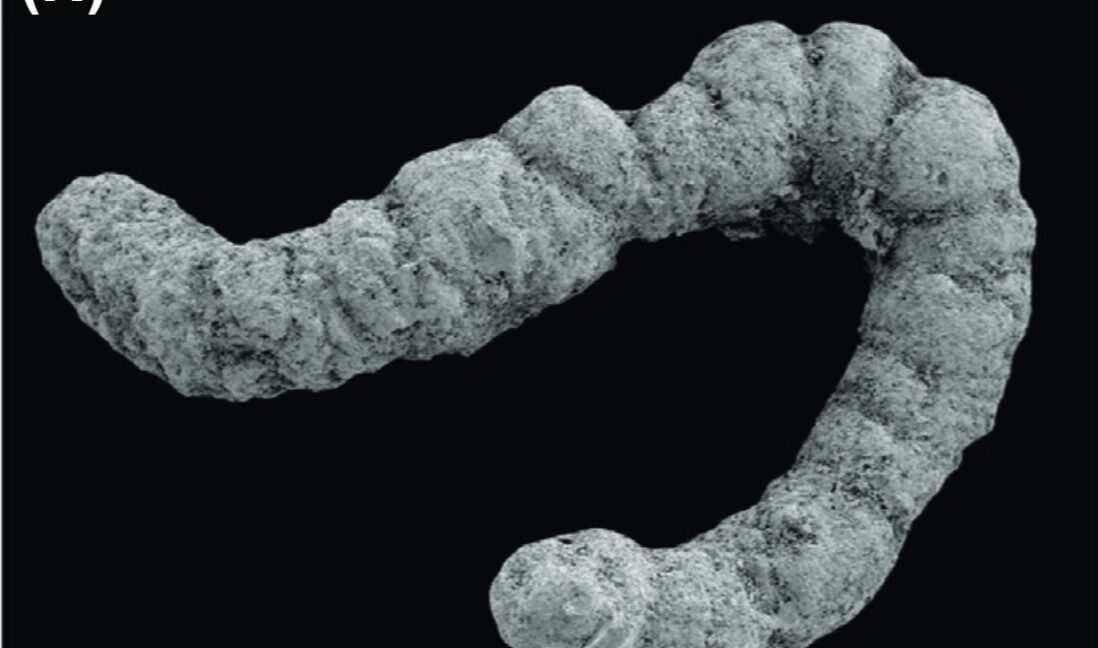
The Cambrian explosion was likely accelerated by the evolution of fecal pellets, which efficiently transported nutrients to the ocean floor. This fueled deeper ecosystems and supported the rise of complex life. Understanding this process demonstrates how simple biological innovations can drive massive evolutionary shifts.
“The fecal pellet hypothesis offers a compelling, evidence-based mechanism for how biological processes dictate environmental carrying capacity. It effectively bridges the gap between basic physiology and macro-evolutionary trends, illustrating that the 'Cambrian explosion' was as much a revolution in nutrient cycling as it was in anatomy.”
The Cambrian explosion is the rapid diversification of complex animal life that occurred approximately 541 million years ago, representing one of the most significant events in evolutionary history. Recent research suggests that the evolution of fecal pellets—compacted waste produced by early multicellular organisms—played a fundamental role in this biological expansion by effectively recycling nutrients throughout the ocean's water column.
The mechanism of nutrient transport
Before the advent of complex digestion, organic matter such as dead algae and bacteria would decompose near the surface of the ocean. This process trapped vital nutrients in the upper layers, limiting the availability of energy required for life to thrive in deeper or more diverse environments. The evolution of animals capable of producing fecal pellets changed this dynamic significantly. According to a study published in Nature, these pellets acted as biological "express elevators" for nutrients, sinking rapidly to the seafloor rather than dissolving near the surface (Nature, 2026).
By transporting carbon and nitrogen to the benthos—the lowest ecological zone of the ocean—fecal pellets fertilized deep-sea habitats. This nutrient influx provided the necessary fuel for organisms living on the seafloor to grow larger, diversify their diets, and occupy new ecological niches. This shift moved the ocean from a system of localized nutrient cycling to a global, vertical transport network.
Why fecal pellets changed evolution
To understand the scale of this change, consider the physics of marine snow. Marine snow consists of organic detritus that drifts slowly toward the seabed. Without the compaction provided by animal guts, this material is often consumed by bacteria before it reaches the bottom. Fecal pellets, however, are denser and faster-sinking than loose organic debris. This increased density protects the nutrients from bacterial degradation, ensuring a reliable food source for organisms inhabiting the deep ocean (Geological Society of America, 2026).
Keep exploring
More from GroundworkThis process, known as the "fecal pellet pump," essentially expanded the habitable volume of the Earth's oceans. As deeper waters became nutrient-rich, organisms could evolve to exploit these regions, leading to the rapid radiation of new body plans and complex physiological structures that characterize the Cambrian period.
Connecting waste to the cambrian explosion
Evidence for this theory is found in the fossil record, which shows a marked increase in the diversity of trace fossils—the tracks, burrows, and waste products left behind by ancient organisms—coinciding with the start of the Cambrian explosion. These traces indicate that animals were not only moving around the ocean floor but were also processing organic matter in a way that left distinct, durable fecal pellets.
- Early grazing: Primitive animals began consuming microbial mats on the ocean floor.
- Internal processing: Evolution of specialized digestive tracts allowed these animals to compact waste into dense pellets.
- Efficient transport: These pellets sank to deeper waters, bypassing bacterial scavengers that would have otherwise consumed the nutrients at the surface.
- Ecological expansion: Deep-sea environments gained a steady nutrient supply, allowing for the rise of larger, more complex predators and scavengers.
Implications for biological complexity
This nutrient-loading effect likely triggered a feedback loop. As more animals evolved to take advantage of the nutrient-rich seafloor, they, in turn, produced more waste, further enriching the environment. This cycle provided the metabolic energy required for the evolution of higher-order traits, such as bilateral symmetry and advanced sensory systems.
While the Cambrian explosion was likely driven by a combination of factors—including increased oxygen levels and shifting tectonic activity—the biological innovation of efficient waste management provided the essential "fuel" for this evolutionary boom. By changing how nutrients moved through the water column, early animals inadvertently built the scaffolding for the modern animal kingdom. Understanding this process highlights the profound impact that even the most basic biological functions can have on the long-term trajectory of life on Earth.
Related research guides
Understanding the 'black hole star' discovery in the early universe
Scientists have identified a 'black hole star'—a massive black hole encased in hydrogen gas—that explains puzzling light sources seen in the early universe.
Lenovo legion 5a oled gaming laptop: a performance analysis
Analyzing the Lenovo Legion 5a gaming laptop with an OLED display. We break down the specs, performance, and whether the current discount offers real value.
HP Omnibook 3 16 review: a budget-friendly laptop for daily tasks
Is the HP Omnibook 3 16 worth the $449.99 price tag? We evaluate its performance, display, and portability for students and daily users.
Was this research guide helpful?
No sign-up neededReader comments
0 commentsFrequently asked questions
What was the Cambrian explosion?▼
The Cambrian explosion was a period starting roughly 541 million years ago where most major animal phyla appeared in the fossil record. It represents a rapid diversification of life, shifting from simple, soft-bodied organisms to more complex animals with hard parts and diverse body plans.
How do fecal pellets affect ocean nutrients?▼
Fecal pellets act as a transport mechanism that moves carbon and nitrogen from the surface to the seafloor. Because they are dense and compact, they sink quickly and resist bacterial breakdown, ensuring nutrients reach deep-sea organisms that would otherwise be starved of energy.
Did other factors contribute to the Cambrian explosion?▼
Yes, the Cambrian explosion resulted from multiple factors. While nutrient transport via fecal pellets provided the energy, other drivers included rising atmospheric oxygen levels, changes in ocean chemistry, and the evolution of complex predator-prey relationships.
Why are fecal pellets more efficient than marine snow?▼
Fecal pellets are more efficient because they sink significantly faster than loose organic 'marine snow.' This speed prevents bacteria from consuming the nutrients in the upper water column, effectively 'packaging' the energy for delivery to the deep ocean.
Ask the expert
Maya Okafor
Health & technology research writerHealth & Tech Writer
Maya Okafor writes about health, wellness, and technology for Groundwork. She focuses on evidence-based guidance readers can act on.
Stay informed on decisions that matter
Get a weekly look at new evidence-based guides and practical tools.
Join 1,000+ readers getting weekly data-backed briefs.