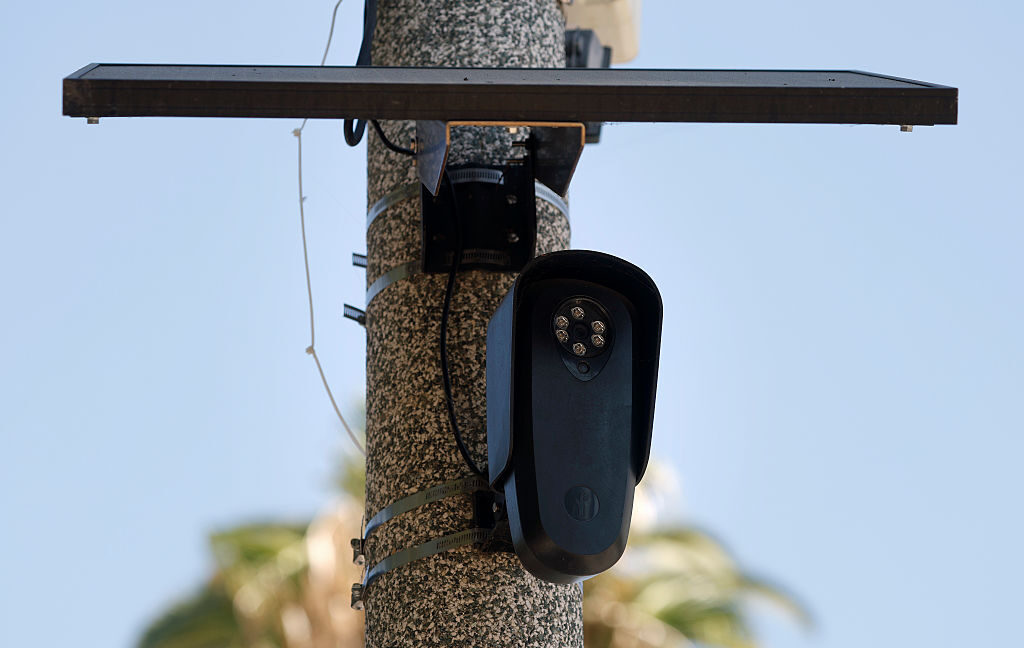
Flock Safety is a surveillance technology provider that creates automated license plate recognition (ALPR) systems used by law enforcement agencies to track vehicle movements. The company is currently implementing mandatory safety tools to prevent police officers from using its camera network to stalk private citizens or acquaintances.
Technology alone cannot fully solve the issue of police surveillance abuse, as software guardrails often fail to address the underlying behavioral incentives that lead to misuse. While automated monitoring tools can flag suspicious patterns, they rely on administrative oversight to enforce consequences, meaning the effectiveness of these systems is limited by the diligence of agency leadership. Experts suggest that technical solutions are merely one layer of a broader need for policy reform and stricter legal accountability for law enforcement agencies (Ars Technica, 2026).
Flock Safety now requires all law enforcement agencies using its license plate reader data to implement an automated audit tool designed to detect abnormal search activity. This system monitors user behavior and triggers an immediate suspension of access if a search meets specific criteria for misuse. Once access is suspended, the officer cannot perform further searches until a department administrator reviews the activity and manually restores their permissions (Flock Safety, 2026).
Keep exploring
More from GroundworkFlock initially offered this audit assistance tool as an optional, free feature starting in April, but adoption was limited, with only one-third of agencies opting to use it. The company shifted its strategy after a Georgia sheriff’s office utilized the tool and successfully identified three officers who were using the surveillance network to stalk acquaintances. CEO Garrett Langley acknowledged that these incidents demonstrated that voluntary participation was insufficient to protect the integrity of the data, prompting the company to mandate the tool for all law enforcement partners (The Verge, 2026).
Automated audit tools are restricted by the parameters defined by the software, which may not catch sophisticated misuse or patterns that fall just below the threshold of "abnormal." These systems function as a reactive safety net rather than a preventative measure against the intent to stalk. Because the system requires an administrator to lift a suspension, the process remains vulnerable to internal department biases, where leadership might be hesitant to fully investigate or discipline their own officers for improper system usage (Ars Technica, 2026).
If you are concerned about how your data is handled by third-party surveillance providers, you should take proactive steps to understand the policies in your jurisdiction. First, request public records from your local police department regarding their data retention and privacy policies for ALPR systems. Second, advocate for city or county ordinances that require independent audits of surveillance usage. Finally, remain informed about state legislation, as many states are currently drafting new privacy laws that limit how private companies can share sensitive location data with government entities. Public transparency remains the most effective tool for curbing potential overreach in law enforcement surveillance programs.