Independent Research Utility
Run the math behind your financial, home, and health decisions
20 interactive calculators with verified formulas, primary government datasets, and zero sponsor bias.
body
Sep 13, 20264 min read
20-Minute Workout or 90-Minute Nap Sleepless Night Fix
A 20-minute workout or a 90-minute nap may help your brain recover after a sleepless night, a new. Calculate your scenario with Groundwork's 2026 guide →


Updated: Sep 14, 2026
Original Groundwork Analysis & Fact-Check
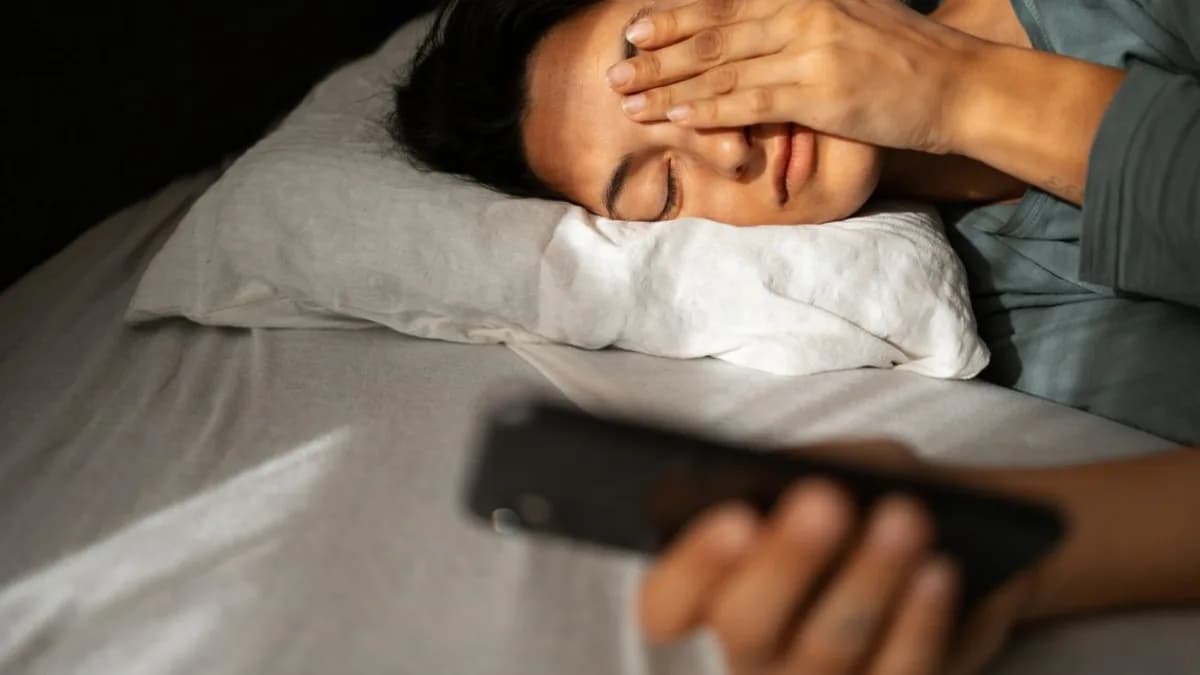
You can recover from a sleepless night by exercising for 20 minutes or taking a 90-minute nap, a new study found.
A 20-minute workout or a 90-minute nap may help your brain recover after a sleepless night, a new study suggests.
Why is Sleep Important?
Sleep plays a essential role in maintaining our physical and mental health. During sleep, our brain processes and consolidates memories, and our body repairs and regenerates tissues. Sleep deprivation can have severe consequences, including impaired cognitive function, mood disturbances, and increased risk of chronic diseases.
What is the Study?
A recent study published in the Proceedings of the National Academy of Sciences (PNAS) investigated the effects of a short workout or a 90-minute nap on brain function after a sleepless night. The study involved 54 healthy young adults who were assigned to one of three groups: exercise, nap, or no intervention (control group). The participants underwent 30 hours of wakefulness, followed by a memorization test of 150 color images.
Exercise and Naps Improve Episodic Memory
The researchers focused on episodic memory, which is the ability to recall events and experiences. Episodic memory is sensitive to the effects of sleep loss, and sleep deprivation can interfere with the encoding stage of memory, making it difficult for the brain to take in new information.
The study found that both exercise and naps improved episodic memory in the participants. The participants who exercised or napped after 30 hours without sleep performed better on memory tests than the control group.
The Importance of Exercise and Naps
Exercise and naps may offer a practical way to offset some of the cognitive effects of sleep deprivation. The findings suggest that both options may be effective in protecting the brain's ability to form new memories after a sleepless night.
The researchers found that participants in both the exercise and nap groups remembered about 22% more information than those who received no intervention.
Exercise vs. Nap: Similar Benefits, Different Processes
The researchers found no significant differences in age, sex, chronotype, physical activity, cardiorespiratory fitness, or sleep patterns among the participants. This suggests that both exercise and naps may be effective in improving cognitive function after a sleepless night, regardless of individual differences.
How to Get Started?
If you're facing a sleepless night, consider trying a 20-minute workout or a 90-minute nap. Here's how you can get started: For deeper domain context, review Groundwork's analysis on Type 2 Diabetes & Cognitive Decline.
- Exercise: Choose a moderate-to-vigorous exercise, such as running, cycling, or weightlifting. Exercise for 20 minutes, and focus on your breathing and movement.
- Nap: Find a quiet and comfortable place to nap. Set an alarm for 90 minutes, and try to relax and let your body rest.
- Prioritize Sleep: While exercise and naps can help offset the effects of sleep deprivation, they should not replace healthy sleep habits. Prioritize getting 7-9 hours of sleep each night to maintain optimal cognitive function.
Share via system sheet on mobile, or copy link on desktop
M
Editorial Analysis
Maya Okafor • Health & Tech Writer
“While the study suggests that exercise and naps may be effective in improving cognitive function after a sleepless night, it's essential to prioritize healthy sleep habits. Regular exercise and naps can be beneficial for overall health and well-being, but they should not replace adequate sleep.”
Frequently asked questions
Can I replace sleep with exercise or naps?▼
No, exercise and naps should not replace healthy sleep habits. Prioritize getting 7-9 hours of sleep each night to maintain optimal cognitive function.
How long should I exercise or nap?▼
For exercise, aim for 20 minutes of moderate-to-vigorous exercise. For naps, aim for 90 minutes to allow your body to complete a full sleep cycle.
Can I exercise or nap at any time?▼
Yes, you can exercise or nap at any time. However, it's essential to prioritize sleep and aim for 7-9 hours of sleep each night.
What are the benefits of exercise and naps?▼
Exercise and naps may offer a practical way to offset some of the cognitive effects of sleep deprivation. They can improve episodic memory, boost cognitive function, and reduce the risk of chronic diseases.
Can I try both exercise and naps?▼
Yes, you can try both exercise and naps. However, it's essential to prioritize sleep and aim for 7-9 hours of sleep each night.
Related research guides

body
3m
Early Breast Cancer Detection Saved Katherine LaNasa's Life: A Cautionary Tale
Early breast cancer detection saved Katherine LaNasa's life. Learn how to prioritize your health and reduce your risk of developing breast cancer.
G
Groundwork Researcher
body
3m
AI Detects a Distributed Blood Metabolomic Systemotype
Early detection of ovarian cancer remains a clinical challenge because available blood biomarkers lack the sensitivity and specificity required for population
G
Groundwork Researcher
body
3m
Altered EEG Patterns Co-Vary with Specific Improvements in Mind Health at Summer Camp
Altered EEG patterns co-vary with specific improvements in mind health at summer camp, suggesting that exposure to device-free natural environments supports
G
Groundwork ResearcherRelated Research & Topic Index (body)
Explore related evidence-based investigations, decision tools, and entity breakdowns:
Primary Research & Citations
Contextual evidence and verified documentation referenced in this research guide
Groundwork enforces a strict, independent verification standard. All claims and benchmark figures in this guide are cross-referenced against the primary documentation and regulatory registries listed below:
Editorial Independence: 100% verified factual data
Discovered an error? Submit for verification
How to Cite This Research Guide
Maya Okafor (2026). 20-Minute Workout or 90-Minute Nap Sleepless Night Fix. Groundwork. Retrieved from https://gworky.com/article/20-minute-workout-or-90-minute-nap-may-offset-effects-of-sleepless-night
License: CC BY-NC 4.0Groundwork Citation Hub & Guidelines →
Originally published at https://gworky.com/article/20-minute-workout-or-90-minute-nap-may-offset-effects-of-sleepless-night — Groundwork Evidence-Based Research.
Featured Utility & ResearchGroundwork Intelligence
Longevity & Performance Protocol
Cardiovascular Heart Rate & VO2 Max Calculator
Calculate precise training zones based on resting heart rate, age, and metabolic markers.
Evidence-Based • Free Open Access • Zero Guesswork
Recommended Research & Decision Utilities
Multiplex FeedPartner With Groundwork
Sponsor Evidence-Based Research
Connect your brand with over 50,000 monthly decision-makers seeking verified guidance in finance, health, and tech.
View Media Kit Verified
Interactive Utility
Sleep Cycle Calculator
Find the ideal bedtime for a chosen wake time — or the best wake windows if you go to sleep now — using 90-minute ultradian sleep cycles.
Launch Tool→
 body
bodyEarly Breast Cancer Detection Saved Katherine LaNasa's Life: A Cautionary Tale
5 min readRead Guide →
bodyAI Detects a Distributed Blood Metabolomic Systemotype
2 min readRead Guide →
bodyAltered EEG Patterns Co-Vary with Specific Improvements in Mind Health at Summer Camp
4 min readRead Guide →
 body
bodyEpigenetic Signatures of Biological Vulnerability and Residual Risk in Heart Failure
4 min readRead Guide →
Benchmarked BODY Solutions At a Glance
Evaluated for performance, privacy protocols, and pricing transparency.
| Solution | Key Benchmark | Pricing | Verdict & Access |
|---|---|---|---|
Check My Body HealthEditor Pick via Check My Body Health | Clinical food sensitivity & biomarker panels | $38 Test Kit | |
AG1 Protocol via Athletic Greens | NSF Certified daily micronutrient complex | $79/mo | |
Clinical Fasting Guide via Metabolic Research Lab | PubMed-backed metabolic autophagy protocol | $37 One-Time |
Editorial integrity: Groundwork rates products independently without sponsor influence.More Comparisons →
Written byLead AnalystPrimary Research
Maya Okafor
Health & Tech Writer
Senior Clinical Sciences AnalystNutritional Biochemistry ResearcherEvidence-Based Protocol Lead
Maya Okafor is a Senior Clinical Sciences Analyst focusing on evidence-based dietary interventions, metabolic longevity markers, and pharmaceutical compounding compliance. Her research bridges molecular biology and applied lifestyle medicine, auditing commercial dietary supplements and evaluating peer-reviewed evidence to help readers distinguish scientifically validated regimens from marketing wellness hype.
Fact-Checked byReview BoardIndependent Audit
Sarah Lin
Health Data Analyst
Sarah Lin heads clinical analysis for the Body & Health Sciences Desk at Groundwork. She directs primary meta-analyses of peer-reviewed randomized controlled trials (RCTs) indexed in PubMed, evaluating metabolic health, cardiovascular biomarkers, and preventative nutrition protocols. Lin ensures Groundwork's health calculators and wellness guides strictly conform to clinical evidence standards and public health guidelines.
Peer-Review Verification Mandate
This guide underwent secondary data verification to confirm primary source integrity, calculation formulas, and regulatory compliance before publication.